Add Republic As Your Trusted Source




Add Republic As Your Trusted Source
Advertisement
Updated June 5th 2026, 16:22 IST
How India Plans To Boost Self-Reliance As RBI Raises Inflation Outlook
India has already shifted its primary focus on being energy resilient and increasing self-reliance in the manufacturing vertical amid RBI raising inflation outlook to 5.1%.


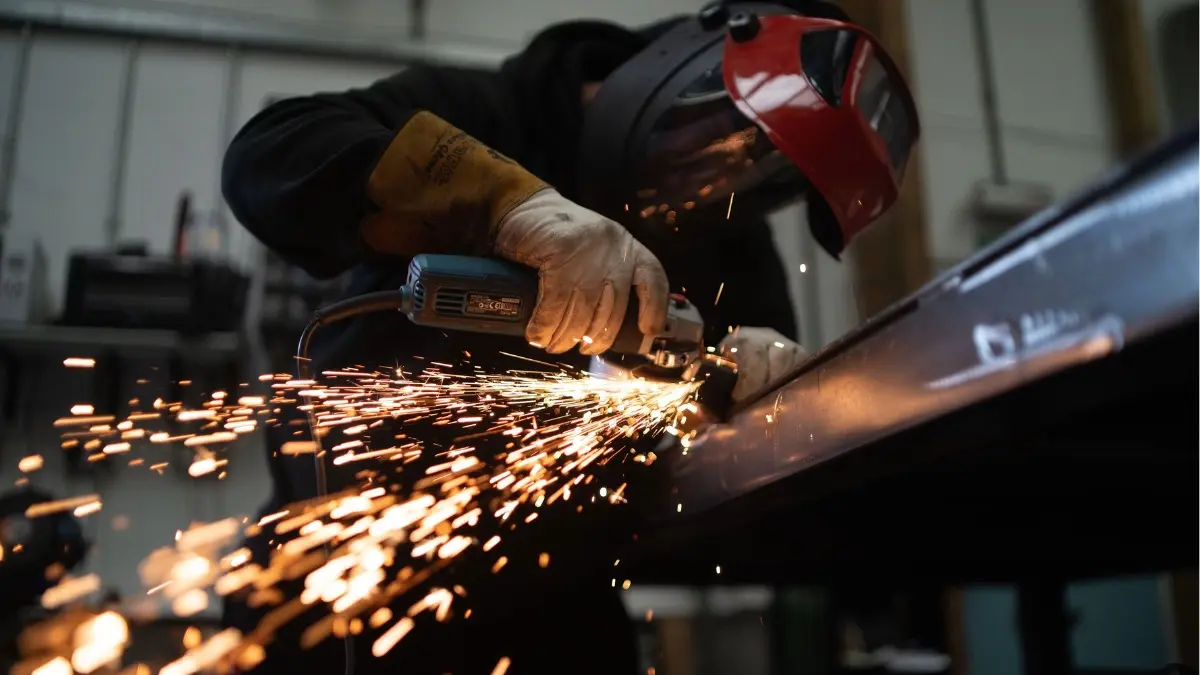
Amid elevated oil prices, and inflation woes impacting India's inflation outlook, the South Asian country is keen on identifying 100 products, which are not produced domestically even after existing production capability.
On India's inflation outlook, RBI Governor Sanjay Malhotra raised its projection for the financial year ending March 2027 by 50 basis points to 5.1%, while forecasting a 6.6% economic growth for the year, lower from 6.9% projected earlier.
Amid this, India has already shifted its primary focus on being energy resilient and increasing self-reliance in the manufacturing vertical.
Earlier, the Department for Promotion of Industry and Internal Trade (DPIIT) Secretary Amardeep Singh Bhatia, highlighted the need for a 100 product specific identification plan to bolster manufacturing acceleration possibilities.
The government has constituted six sector-specific working groups to identify as many as 100 products for promoting their domestic manufacturing and reducing import dependence, an official noted.
"The aim is to promote indigenisation of those products," the official said, citing a PTI report.
The groups will deliberate on the list of items for the purpose, and the final list prepared by them will be submitted to the cabinet secretariat within three weeks.
These six groups are primarily focused on pharmaceuticals, biotech and medical devices; chemicals and petrochemicals, textiles and footwear; automotive and electric vehicles, capital goods, advanced capital goods, energy, construction equipment and infrastructure, defence and electronics.
This came alongside centre's push for relaxing FDI norms, free trade agreements (FTAs) and a proposed “Made in India” framework to improve India's manufacturing push.
Also Read: India Gold Demand Stays Subdued as Volatile Prices Keep Buyers Away
These calibrated efforts are indicative of a strategy to identifying gaps in domestic manufacturing ecosystems and attempting to address them sector-by-sector.
Notably, the centre is working on bringing a second tranche 100 products which are either not getting manufactured in India as of now or which are not sufficiently being manufactured at the moment, according to Bhatia.
Published June 5th 2026, 16:22 IST