Add Republic As Your Trusted Source




Add Republic As Your Trusted Source
Advertisement
Updated December 4th 2025, 17:11 IST
RBI MPC December Meet: A Done Deal Or A 'Tricky' Call? What Experts Predict
Experts are divided on the RBI's December repo rate decision. Record-low inflation of 0.25% supports a cut to boost demand, but strong 8.2% GDP growth and a weak rupee complicate the move. Analysts anticipate a cautious hold but signal a dovish stance for potential future easing.


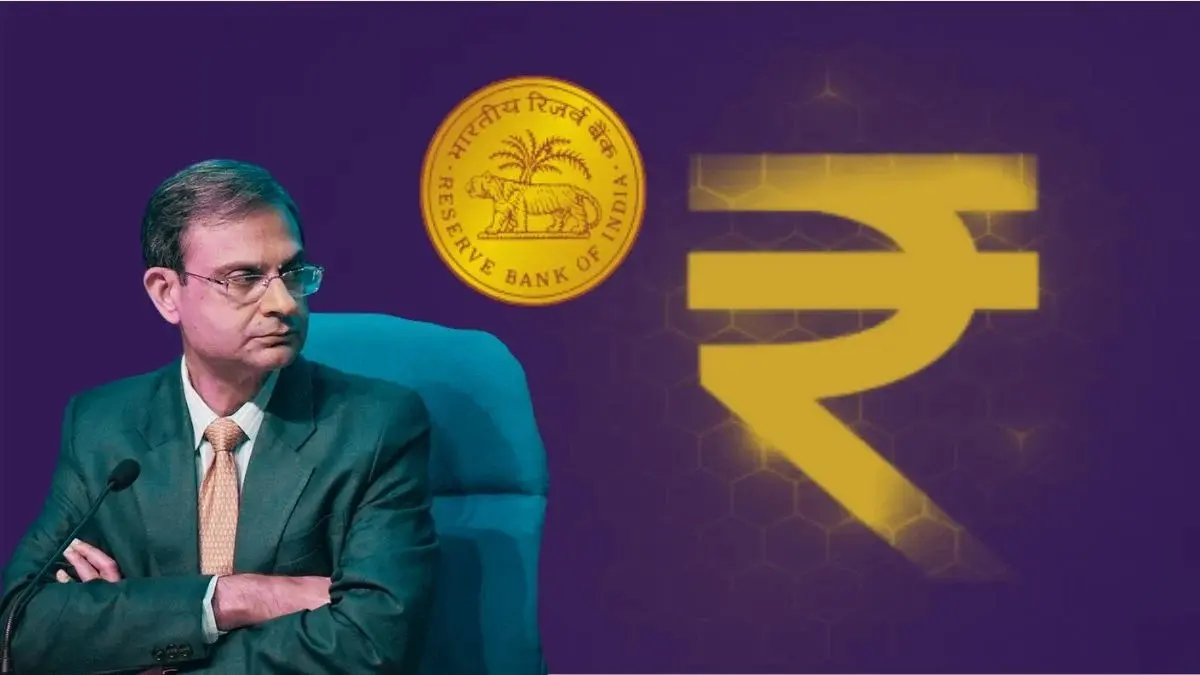
India's central bank faces a pivotal decision at its December 3-5 Monetary Policy Committee meeting, with experts divided on whether to slash interest rates amid inflation's plunge to a record 0.25% in October. While some foresee a 25-basis point cut to support growth and housing, others caution against rushing, citing robust GDP expansion and global uncertainties.
Forecasts suggest inflation may rebound modestly in coming months, but the outlook hinges on food prices and external risks. The debate now centres on whether the central bank will prioritise boosting sluggish inflation or maintain stability amidst a vigorous economic expansion.
Economy Surges, But Inflation Hits Rock Bottom
India's macroeconomic landscape presents a study in contrasts. The economy posted a stellar 8.2% GDP growth in the second quarter of FY26, the fastest in six quarters, fuelled by strong manufacturing and services activity. This impressive performance was supported by robust private consumption, which grew by 7.9%.
However, this growth is set against a backdrop of historic disinflation. Retail inflation, as measured by the Consumer Price Index (CPI), plummeted to just 0.25% in October 2025, the lowest since the series began in 2012 and significantly below the RBI's 2-6% target band.
The plunge was driven by a sharp contraction in food prices. While this provides relief to consumers, economists warn that sustained deflationary pressure can harm rural incomes and overall demand.
Also Read: RBI's Three-Day Monetary Policy Meeting Begins Today, Policy Outcome On Friday | Republic World
What the Experts Are Saying
Market analysts are divided on the MPC's next move, though the consensus leans toward a cautious-to-dovish stance.
Sugandha Sachdeva, Founder of SS WealthStreet, believes the RBI has room to ease but is not under immediate pressure. She notes that while the "highly favourable macroeconomic backdrop marked by low inflation and strong growth momentum" technically allows for a cut, the strength of the economy reduces the urgency.
Sachdeva states, "the surprisingly strong second-quarter GDP numbers may, in fact, deter the central bank from acting too soon, as premature easing could risk overstimulating an already vigorous economy." She predicts the RBI will likely maintain the status quo while "keeping the door open for a possible 25bps cut in the last quarter of this fiscal if conditions warrant."
Pushing for more immediate action, Shishir Baijal, Chairman and Managing Director of Knight Frank India, argues that the economy is at an "inflection point where monetary action can meaningfully accelerate growth." He advocates for a "calibrated 25-basis-point reduction in the REPO rate," which he believes would "further strengthen purchasing power and unlock better home-loan rates, especially for affordable and mid-priced housing."
Offering a more nuanced perspective, Umesh Sharma, CIO-Debt at The Wealth Company Mutual Fund, describes the outlook for a December cut as "trickier." He points out that "demand has held up better than expected," and a high credit–deposit ratio is limiting monetary transmission. With global conditions remaining mixed, Sharma suggests that "further rate cuts may have limited impact." In his view, the "preferred approach for RBI MPC should be to maintain a firmly dovish tone emphasizing space for further monetary accommodation while assuring the market on provision of ample liquidity.”
Rupee Breaches 90 as Unemployment Ticks Up
Adding to the complexity, the Indian rupee fell to an all-time low, breaching the 90-per-dollar mark for the first time. The currency's depreciation has been attributed to the RBI's lighter touch on intervention, fuelling speculation about an impending easier monetary policy. Simultaneously, high-frequency data shows a rising trend in the weekly unemployment rate, which climbed to the 5.1-5.2% range, highlighting a potential disconnect between headline growth and job creation, a classic economic puzzle.
MPC's Journey in 2025
The RBI began 2025 with an aggressive easing cycle, cutting the repo rate by a cumulative 100 basis points from 6.5% to 5.5% between February and August. This was done in response to cooling inflation early in the year. However, the MPC has since maintained a "neutral" stance, hitting the pause button in its last meeting to assess the impact of its earlier actions and monitor evolving economic data.
As the committee prepares for its final meeting of the year from December 3-5, all eyes are on whether it will resume its easing cycle or hold steady in the face of conflicting economic signals.
Published December 4th 2025, 17:11 IST