Add Republic As Your Trusted Source




Add Republic As Your Trusted Source
Advertisement
Updated February 21st 2026, 18:09 IST
The $50 Billion Reset: Navigating the New Indo-US Trade Reality
For India, the immediate headline is a technical drop in export tariffs from the negotiated 18% (and the previous 50%) to a temporary 10% global surcharge.


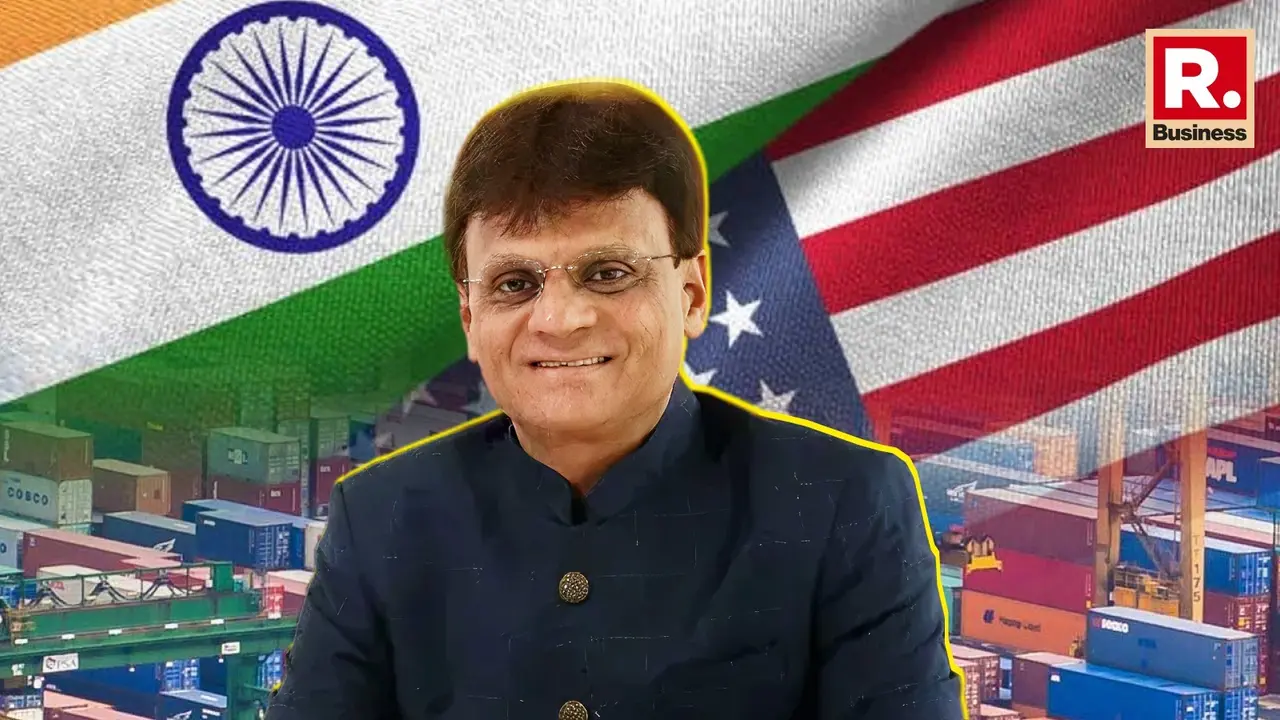
The global trade landscape witnessed a seismic shift this week. Following the U.S. Supreme Court’s decision to strike down broad IEEPA-based tariffs, we have entered a period of calculated chaos.
For India, the immediate headline is a technical drop in export tariffs from the negotiated 18% (and the previous 50%) to a temporary 10% global surcharge. While the White House urges partners to honor previous deals, the market is expected to happily pricing in a unique window of opportunity.
Here is my quick KTA analysis of the data, the impact, and the road ahead.
The Data: A Multi-Billion Dollar Swing
The shift from an 18% Reciprocal Deal rate to the current 10% Section 122 surcharge is not merely a legal technicality; it is a massive liquidity injection into the export corridor.
The Valuation Gap:
India exports approximately $75-$80 billion worth of goods to the U.S. annually. A 7-8% reduction in the tariff burden translates to a nearly $5 billion to $6 billion annual cost saving for Indian exporters if sustained.
The Refund Factor: With the previous tariffs declared illegal by the SCOTUS, U.S. importers may be eligible for billions in duty refunds. This creates immediate cash-flow relief for the supply chain.
Market Impact: Sectoral Winners
We expect a positive gap-up reaction in specific Indian pockets as the market digests this 10% floor:
Textiles & Tiles: These high-volume, thin-margin sectors stand to gain the most. A reduction in landed cost in the U.S. makes Indian home textiles and ceramics instantly more competitive against Southeast Asian peers.
IT & Services: While the tariff news focuses on "goods," the cooling of trade tensions provides a stable backdrop for the BFSI and Tech spending environment.
The Reciprocity Play: we should be watching out companies that benefit from India’s side of the deal—0% duties on U.S. premium goods.
This opens the door for high-end retail and logistics players handling increased bilateral flow.
My View
While the 10% rate is a short-term win for Indian margins, we must look at the long-term structural alignment. The White House’s urge for partners to abide by trade deals suggests that the 18% rate is the destination the U.S. administration will fight to return to via new legislative authorities.
For India, the strategy reads clear: Lock in the Reciprocal 0% framework. By lowering our own barriers, we secure a permanent Preferred Partner status that moves us away from these volatile global surcharges.
The Bottom Line
The markets love certainty, but they profit from volatility.
The current 10% window provides a significant margin cushion for Indian corporates in the near term.
However, the real value lies in the $150 billion bilateral trade target. We are moving from a regime of Trade War to Trade Negotiation, and India is currently holding a very strong hand.
In summary,
- Immediate margin expansion for Indian exporters potential for multi-billion dollar duty refunds.
- However, White House to invoke other authorities to return to the 18% reciprocal deal.
- The tariff arbitrage in the near term has gone away through!
- In the near term, I expect Indian markets to react favorably to the reduced tariff overhead.
Published February 21st 2026, 18:08 IST