Add Republic As Your Trusted Source




Add Republic As Your Trusted Source
Advertisement
Updated February 5th 2026, 16:03 IST
How Korean Culture Is Spreading Its Wings In India And Captivating Youth
The K-Wave no longer feels like a hidden niche in India. Korean culture has taken over and continues to expand faster than ever. But how did Korean pop culture create such a deep emotional connection in India in the first place?


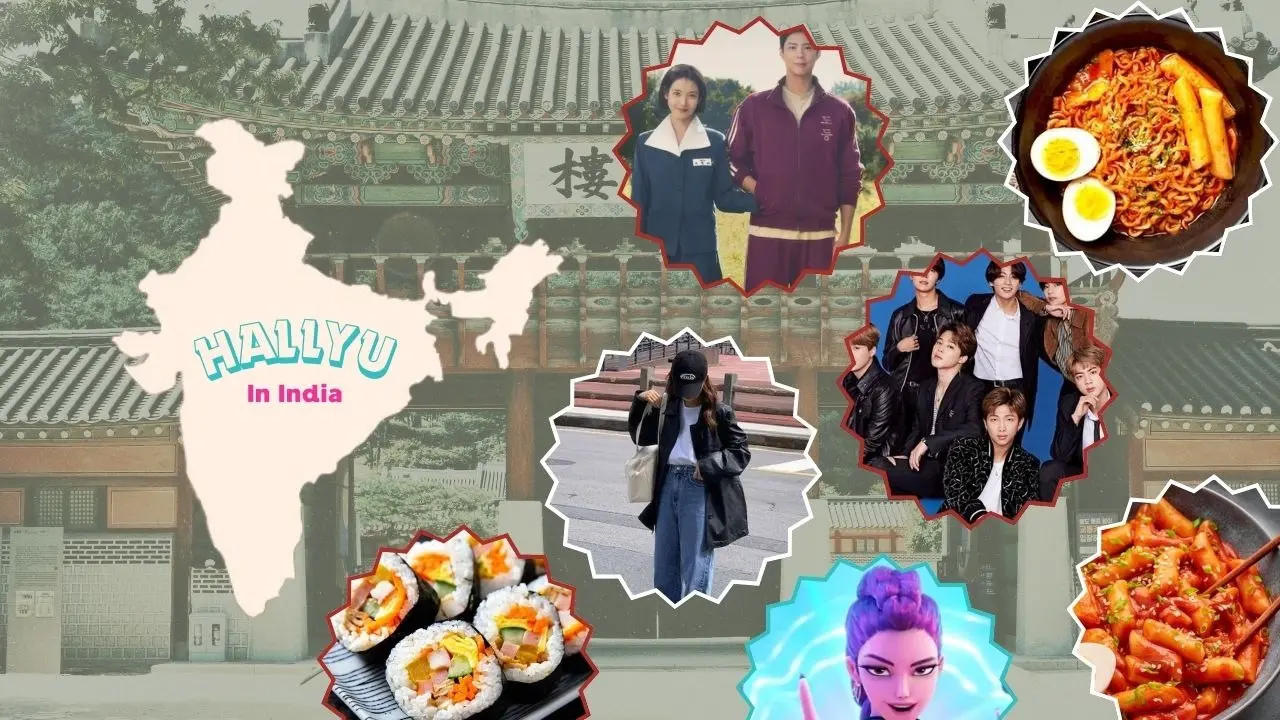
In our surroundings, we often hear Gen Zs and Gen Alphas using phrases like ‘Annyeong haseyo’ or ‘Gamsahamnida’. This is not a random trend but a change that happened over a decade. India has seen a huge rise in the Korean Wave, also known as Hallyu. From K-pop music and K-dramas to food, language, and K-games, South Korean culture has spread across the world, and India has fully embraced it too. Its impact on Indian youth has been powerful. The K-Wave no longer feels like a hidden niche here. It has built a strong audience, with fan clubs growing, dance workshops selling out, and Korean phrases becoming part of everyday speech. K-pop has taken over and continues to expand faster than ever. But how did Korean pop culture create such a deep emotional connection in India in the first place?
How did the Korean culture wave start in India?
Back in the early 2010s, being a K-pop fan in India was more like being part of a secret club. K-fans had no concerts to attend, no official merchandise to buy, and no K-pop songs playing in public. Anyone who wanted an album had to import it from Korea, pay expensive shipping charges, and wait weeks for it to arrive. People also use to watch K-pop live through VPNs or pirated websites.

Facebook Korean fan groups, Translations on Tumblr, and streaming performances from Korean music shows like M Countdown and Inkigayo were club activities back then. The Korean Cultural Centre India (KCCI) in Delhi became a key meeting point for dedicated fans by hosting small events and dance competitions. Even without mainstream attention, K-pop created a loyal following in India.
And then, BTS arrived. Although the group debuted in 2013, India truly connected with the global BTS phenomenon in early 2016. Indian media started covering K-pop, streaming figures rose rapidly, and even people unfamiliar with the genre started asking, “Who are these BTS blokes?”
However, BTS did not stand alone. BLACKPINK, EXO, TXT, SEVENTEEN, TWICE, STRAY KIDS, and NCT also built strong fanbases in India. Social media played a huge part, as Indian fans trended hashtags, organised online streaming parties, and made major contributions to global music charts.
What attracted the most was how Korean artists strengthened their bond with their ARMY by engaging personally through livestreams and showing appreciation for fan clubs. This approach created an emotional connection that brought the community even closer.
How did India get along with Kpop?
In 2020, when the pandemic hit the world, Korean dramas took over the Indian binge-watch list for months. But how? Even with differences in language and location, Korean storytelling follows social values that closely match Indian and wider Asian culture. Family stays at the centre of life. Elders hold importance. Ideas of duty, sacrifice, and social pressure often guide the decisions people make. K-dramas also actively address serious issues like bullying and racism, which remain major concerns in India too.
Unlike many Western web series, where independence often comes from cutting ties or openly rebelling, Korean dramas highlight a gentler tension between personal desires and family duty. Characters struggle quietly, hide their feelings, and often choose compromise. Indian audiences, especially those from joint families or close communities, connect easily with these emotional themes. This same familiarity also extends to historical and period dramas.
At the same time, many Korean shows also offer a “too good to be true” fantasy. For viewers, it provides an escape from daily life, but it can also create unrealistic expectations, especially in romantic storylines.
Indian cinema often presents male characters with a ‘macho and sakt launda’ personality, while K-dramas portray male leads as emotionally open, kind, caring, and vulnerable. They cry, communicate, cook, listen, apologise, and fall in love sincerely.
This idea of “soft masculinity” does not suggest weakness, but emotional openness. It has filled a long-standing gap for women viewers who rarely see their emotional experiences represented on screen. Hometown Cha Cha Cha, When Life Gives You Tangerine, Can This Love Be Translated, True Beauty, Destined With You, and Business Proposal are some K-dramas that quickly found popularity in India soon after their release for the portrayal of ‘soft masculine’ characters.
Not just screens, K-Wave ‘Hallyu’ is taking over the lifestyle of Indians: How?
Korean culture in India no longer stays on screens. It now shapes everyday choices as well. Korean food has grown noticeably popular in Indian cities, especially among young people. Enjoying ramen with eggs is now a comfort plan for weekend amongs K-pop fans.
Like Momo Wave, Cafes, cloud kitchens, and small eateries serving ramen, tteokbokki, corn dogs, and kimchi have become popular in recent times. Kpop ARMY want to try what their favourite characters eat and bring that on-screen warmth into real life.
This is maybe because Korean cuisine also shares surprising similarity with the Indian taste palette through bold spices, fermented flavours, and staples like rice and noodles. Similar dishes include Kimchi (like pickle/achaar), Tteokbokki (spicy rice cakes), Mandu (dumplings similar to momos), Kimchi Jjigae (Cooking process is similar to Dal Makhani) and Gamjajeon (potato pancakes similar to aloo tikki/paratha).
Fashion shows the same influence. Oversized fits, layered looks, minimalist styling, and gender-fluid aesthetics seen in Korean media have quietly become part of Indian youth fashion.
K-pop has also grown steadily and thoughtfully in India. Unlike earlier foreign music trends, it connects with listeners across different age groups.
Teenagers connect with fandoms, dance trends, and online communities, while older audiences often come across Korean music through dramas, films, or even animated content tied to it.
Gaming also contributes to this rise. Mobile games with Korean roots or influence, especially romance and simulation styles, have become popular among Indian teenagers.
These games bring the same emotional storytelling found in K-dramas into an interactive experience, making the boundary between entertainment and emotional comfort less clear.
What keeps this interest alive is not something new, but a sense of cultural familiarity.
Get Current Updates on India News, Entertainment News, Cricket News along with Latest News and Web Stories from India and around the world.
Published February 5th 2026, 16:03 IST