Add Republic As Your Trusted Source




Add Republic As Your Trusted Source
Advertisement
Updated June 2nd 2026, 15:33 IST
What Is Fibremaxxing? Know The Benefits And Risks Of Viral Health Trend
Fibremaxxing is a viral wellness trend that encourages people to increase their fibre intake through foods such as fruits, vegetables, legumes, whole grains, and seeds.


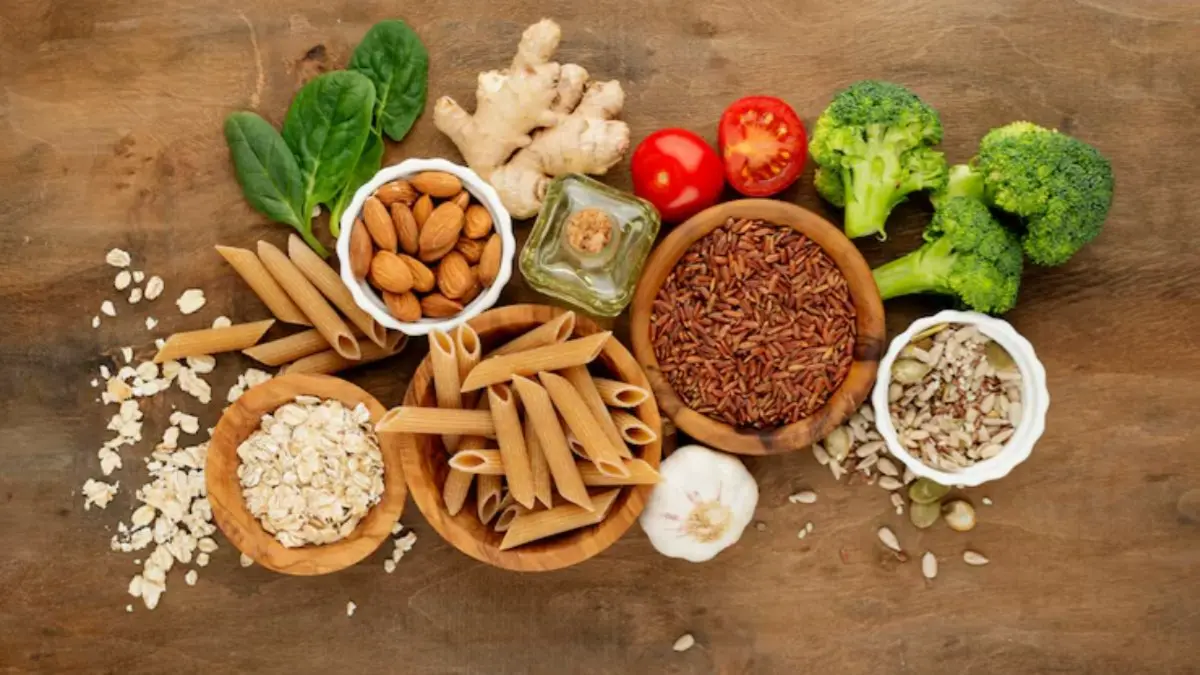
Social media often shares new wellness trends, and one that's becoming popular is "fibremaxxing." This practice focuses on increasing fibre intake throughout the day. Supporters say it can help improve digestion, aid in weight management, and enhance overall health. While this trend is based on nutritional science, experts advise considering a few important points before loading up on fibre-rich foods.
What is fibremaxxing?

In simple terms, fibremaxxing is a nutrition trend that encourages people to increase their fibre intake by adding more fruits, vegetables, and whole grains to their diet. The goal of this diet is to exceed the limit of fibre consumption in what one is eating. Unlike general healthy eating advice, fibermaxxing tends to be more deliberate and numbers-driven. Many people track fibre intake daily, similar to how protein intake is often tracked in other nutrition trends.
Benefits of fibremaxxing
Fibremaxxing offers a variety of benefits. Here are some of the key advantages:
Supports gut health
Fibre in the diet helps promote regular bowel movements, and different types of fibre support different functions within the digestive system. This benefit is most noticeable when fibre is increased gradually and paired with adequate hydration.
Helps with weight management
Fibre-rich foods are filling and can help people feel full for a long period, which can help people feel satisfied after meals. This does not mean fibre is a weight-loss tool, but it may support more stable energy and appetite patterns.
It supports heart health
According to Harvard Health Publishing, adequate fibre intake can improve cholesterol levels, and it also lowers the risk of cardiovascular diseases. A study published in the Cleveland Clinic stated that soluble fibre helps reduce Low-Density Lipoprotein (LDL), which is often referred to as bad cholesterol.
It helps regulate sugar levels
Fibre helps slow down how the body digests and absorbs carbohydrates. This can lower quick rises in blood sugar levels after meals. This benefit may be especially useful for people aiming to improve their metabolic health.
It helps people consume enough fibre
Most people do not get enough fibre from their daily fibre targets, which is one reason the trend has gained attention among health professionals and dietitians.
Risks of fibremaxxing
Although fibremaxxing offers numerous health benefits, consuming fibre in excessive amounts can cause problems:
Bloating
A sudden increase in fibre intake can lead to bloating and abdominal discomfort, especially if the digestive system is not used to a high-fibre diet.
Constipation
Since fibre is consumed for healthy and regular bowel movements, increasing fibre without consuming enough fluids may worsen constipation rather than improve it.
Digestive discomfort
People with digestive conditions can experience stomach cramps and changes in bowel habits if they increase their fibre intake dramatically.
Dehydration & Blockages
According to Ohio State Medical, fibre absorbs water. Without adequate hydration, it acts like cement, worsening constipation or causing rare intestinal blockages.
More isn't always better
Health experts say that fibremaxxing is not a competition. The main aim should be to meet your individual fibre needs with a balanced diet, instead of eating too much.
Is fibremaxxing healthy?
Even though fibre intake through whole foods is beneficial for healthy adults, especially if they consume little to no little fibre. However, experts recommend increasing intake gradually, drinking plenty of water, and focusing on a variety of fibre sources rather than relying on supplements or highly processed "high-fibre" products.
Published June 2nd 2026, 15:33 IST