Add Republic As Your Trusted Source




Add Republic As Your Trusted Source
Advertisement
Updated December 14th 2025, 21:27 IST
What Is Super Flu? Know Causes, Symptoms, Prevention And High Risk Groups
In India, the cases of Super Flu are also on the rise, with dangerous levels of air pollution making the situation worse.


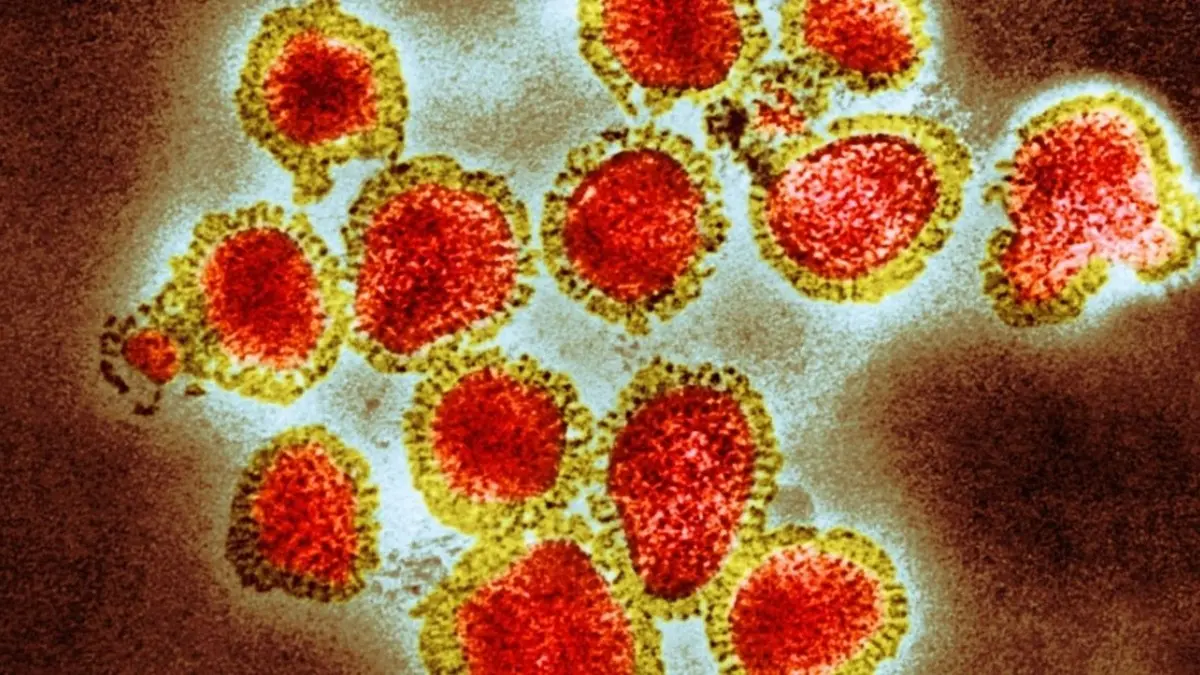
This Christmas/ New Year's could turn into the season of illnesses as health experts have warned about a further surge in cases of H3N2 influenza or Super Flu. It is already the most common strain of flu in England, leading to closure of schools and a lockdown like situation in parts of UK. In India, the cases of Super Flu are also on the rise, with dangerous levels of air pollution making the situation worse.
Who are at risk from Super Flu?
UK Health Security Agency data show that the infection rate is highest among children aged between five and 14, closely followed by those aged 15 to 24. Adults over 65 years of age, pregnant women and people with certain chronic medical conditions like asthma, diabetes, heart disease, weakened immune systems and neurological conditions are also in the high risk category.

What are the symptoms of Super Flu?
Flu signs and symptoms develop very rapidly. Extreme tiredness is common in patients. This is different from the symptoms of cold and cough that occur more gradually. The symptoms and severity of H3N2 illness have been similar to seasonal flu, including fever, cough, runny nose, and possibly other symptoms, such as body aches, vomiting or diarrhea.
Prevention tips for Super Flu
If you are in a “higher-risk group” such as over 65, pregnant, very young, or living with a long-term health conditio, then getting a flu vaccine is the best possible way to avoid catching the Super Flu. It significantly reduces the risk of severe illness and hospitalisation.
Good hand hygiene, covering your mouth and nose when coughing or sneezing, avoiding close contact with ill people and keeping your home well-ventilated are some other prevention tips that may come handy as Super Flu cases are on the rise.
Published December 14th 2025, 21:27 IST