Add Republic As Your Trusted Source




Add Republic As Your Trusted Source
Advertisement
Updated February 5th 2026, 11:09 IST
Bharat Taxi, An Alternative To Ola, Uber, Launches Today: Why Should Delhi, Mumbai, Bengaluru Choose This App?
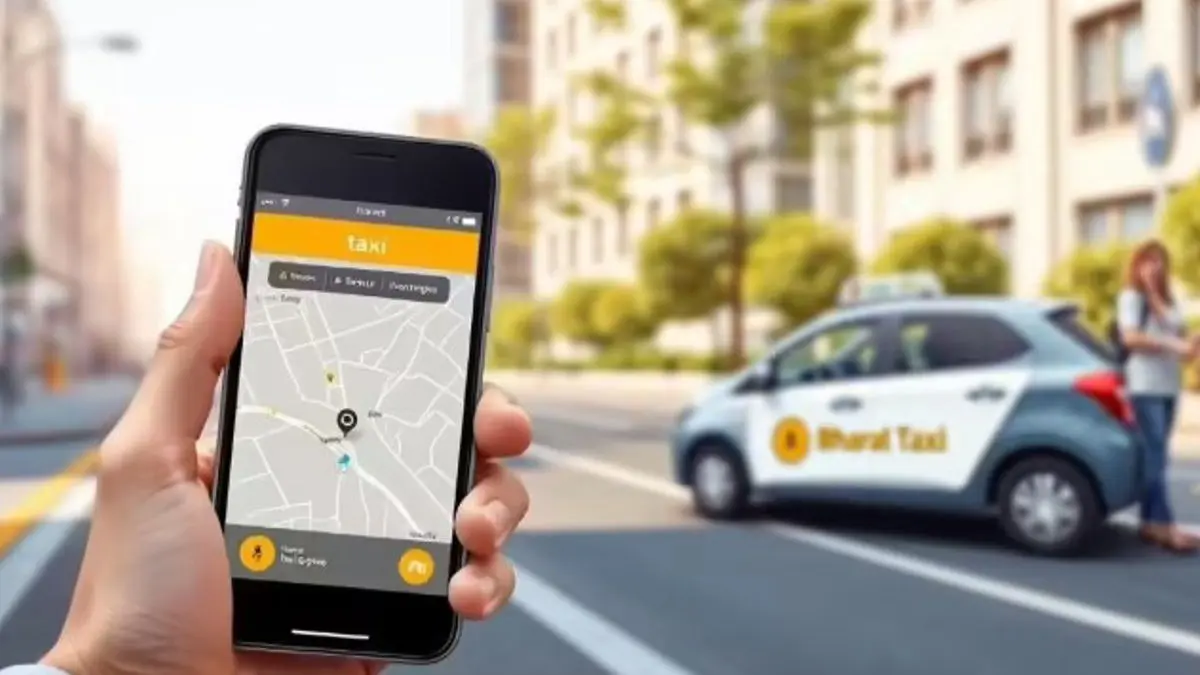
Bharat Taxi, India’s first cooperative-based and government-backed ride-hailing platform, is launching today. Promising zero commission, no surge pricing, and affordable fares, the platform aims to offer a strong alternative to Ola and Uber. Union Home Minister Amit Shah is set to inaugurate the service.


New Delhi: Union Minister of Cooperation Amit Shah officially launched India’s first cooperative-based ride-hailing platform, Bharat Taxi, on Thursday (February 5, 2026).
It is made as the world's largest driver-owned mobility platform, and the app is positioning itself as a homegrown, "citizen-centric" alternative to established giants like Ola and Uber.
According to a statement from the Ministry of Cooperation, Bharat Taxi is designed to revolutionise the mobility sector by making drivers, or sarathis, the primary stakeholders.
The project is designed to eliminate exploitative third-party platforms, ensuring that the wealth generated by the service goes directly into the drivers' pockets.
Developed under the vision of “Sahakar se Samriddhi” (Prosperity through Cooperation), Bharat Taxi is managed by the Sahakar Taxi Cooperative Limited.
Supported by major Indian cooperatives such as Amul, IFFCO, and NABARD, the platform introduces a distinctive social-enterprise framework to the gig economy, prioritising community benefit over corporate profit.
Why the Big Three Cities Should Take Note?
As Bharat Taxi rolls out across Delhi, Mumbai, and Bengaluru, it addresses the three biggest issues for urban commuters: pricing, reliability, and driver satisfaction.
1. The End of Surge Pricing
For residents of Bengaluru and Mumbai, where "surge" often doubles fares during rain or peak hours, Bharat Taxi offers a break.
The platform operates on a strictly surge-free model. Officials estimate that because the app removes the hefty 20–30% commission typically taken by private aggregators, rides could be up to 30% cheaper for passengers during peak times.
2. ‘Sarathi Hi Malik’: Empowering Drivers
The platform’s "Sarathi" (Driver) model turns drivers into shareholders rather than contractual workers.
Unlike the variable cuts of private apps, Bharat Taxi charges drivers a flat daily access fee of Rs 30, allowing them to take home nearly 100% of the fare.
This "Driver is the Owner" approach aims to reduce the high cancellation rates often seen in Delhi and Bengaluru by ensuring drivers are motivated and fairly compensated.
3. Deep Safety Integration
In a move that sets a new standard for passenger safety, Bharat Taxi has established a direct integration with Delhi Police. This collaboration features 35 physical grievance centres and a link to emergency services, providing a layer of official security and institutional accountability that private ride-hailing companies have yet to replicate.
A Modern Interface
Despite its cooperative roots, the app is tech-forward. It features:
- Users can plan "last-mile" journeys by linking rides with Metro transit schedules.
- From "Bike Didis" and auto-rickshaws to AC, Non-AC, and XL cabs for families.
- Registered drivers receive Rs 5 lakh in personal accident and family health insurance.
The official launch today marks a major step toward a more stable, equitable transport ecosystem for India’s busiest metros.
Get Current Updates on India News, Entertainment News, Cricket News along with Latest News and Web Stories from India and around the world.
Published February 5th 2026, 11:01 IST