Add Republic As Your Trusted Source




Add Republic As Your Trusted Source
Advertisement
Updated July 17th 2025, 18:18 IST
Blame Game In The Sky: Unfair Target On Captain Sabharwal In Air India Tragedy
The WSJ report relies heavily on “people familiar with U.S. officials’ early assessment,” but India’s Aircraft Accident Investigation Bureau (AAIB) has not confirmed these claims.


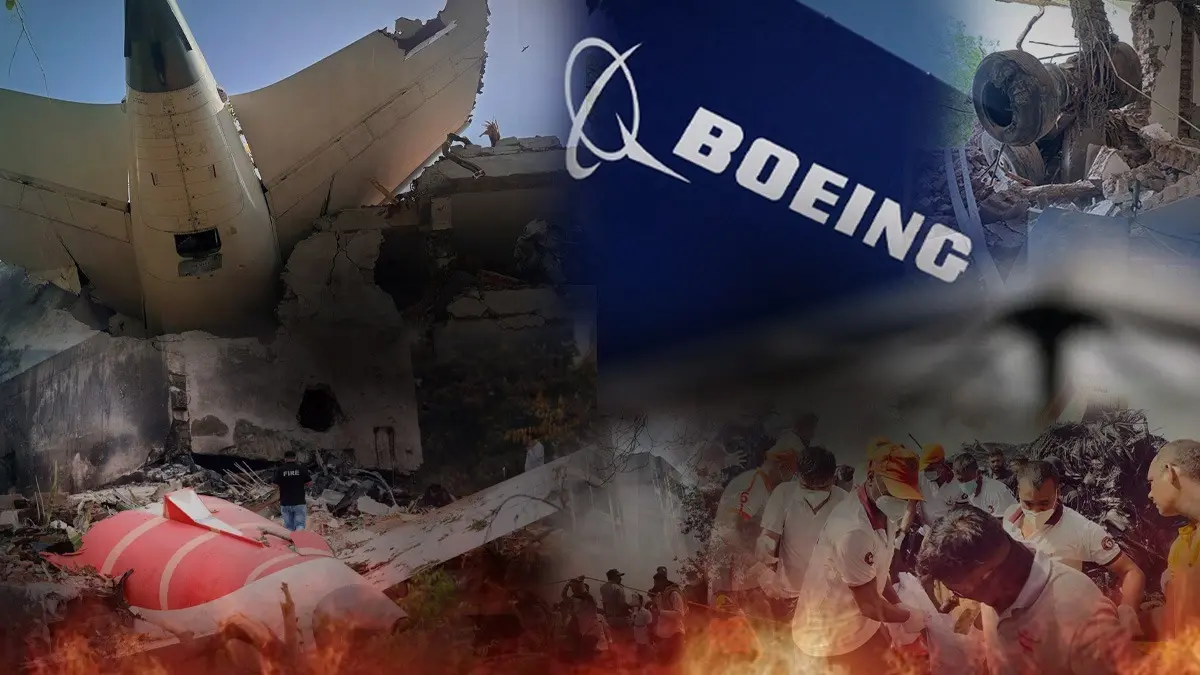
New Delhi: The Wall Street Journal’s July 16, 2025, report on the Air India Boeing 787 Dreamliner crash on June 12, 2025, near Ahmedabad airport has stirred controversy by pointing fingers at the senior pilot, Captain Sumeet Sabharwal. The article, citing unnamed sources, claims a black-box recording shows Sabharwal turned off fuel switches, leading to the tragic crash that killed 241 of the 242 people on board. However, this narrative seems to rush to judgment, unfairly targeting a seasoned pilot while ignoring other possible causes. As an Indian, it’s hard to accept this one-sided portrayal of a man described as a dedicated, soft-spoken professional. Let’s look at the facts and why the blame on Captain Sabharwal feels premature and biased.
First, the WSJ report relies heavily on “people familiar with U.S. officials’ early assessment,” but India’s Aircraft Accident Investigation Bureau (AAIB) has not confirmed these claims. The preliminary report, as mentioned in the WSJ, only says one pilot questioned the other about moving the fuel switches, with the other denying it. It doesn’t name Sabharwal or conclude who did it. The report also keeps the door open to design flaws, malfunctions, or maintenance issues, yet the WSJ seems fixated on pinning the blame on Sabharwal. This feels like a selective narrative, especially when the investigation is still ongoing, as Air India’s CEO Campbell Wilson stressed, urging staff not to jump to conclusions.
Captain Sabharwal, a 56-year-old veteran who trained at the prestigious Indira Gandhi Rashtriya Uran Akademi, was known for his calm and reserved nature. His friend, Air India pilot Kapil Kohal, described him as polite, disciplined, and passionate about flying, with a knack for mentoring younger pilots. Does this sound like someone who would deliberately or carelessly cause a crash? The WSJ suggests Sabharwal turned off the fuel switches, but even their sources admit it’s unclear if it was accidental or intentional. The switches were flipped back on just 10 seconds later, which could point to a momentary error or even a mechanical issue, not a deliberate act. Why, then, is the focus solely on Sabharwal’s actions?
The WSJ also hints at U.S. officials pushing for a criminal probe, a step that seems hasty when the AAIB hasn’t ruled out technical or design problems. In the U.S., the FBI might get involved if a crime is suspected, but India’s investigation is far from that stage. The report notes aviation medicine and psychology experts are involved, suggesting a broader look at human factors, not just one pilot’s actions. By zooming in on Sabharwal, the WSJ risks overshadowing these other angles. For instance, could a cockpit design flaw have made it easier to accidentally move the switches? Could there have been a brief misunderstanding between the pilots? These questions deserve equal attention.
First Officer Clive Kunder, the 32-year-old co-pilot, was flying the plane during takeoff, as per standard procedure. The WSJ says Kunder was surprised and panicked when the switches were turned off, while Sabharwal remained calm. This could mean Sabharwal was trying to handle a situation he didn’t fully understand, not that he caused it. Kunder, though talented and enthusiastic, was less experienced on the Dreamliner, having switched to it in 2022. The WSJ notes he was busy with takeoff controls, leaving Sabharwal, the monitoring pilot, free to handle other tasks. But without clear evidence, it’s unfair to assume Sabharwal’s actions were reckless or intentional.
The WSJ’s framing also feels like it plays into a Western bias, where U.S. officials’ views are given more weight than India’s own investigation. The AAIB’s press officer called the report “one-sided,” and for good reason—it amplifies unverified claims while downplaying the complexity of the probe. Past aviation disasters, like EgyptAir Flight 990, show how hard it is to pin down deliberate acts, and disagreements between countries can cloud the truth. With the investigation still in its early stages, as the WSJ itself admits, it’s too soon to cast Sabharwal as the villain.
As Indians, we take pride in our aviation professionals like Captain Sabharwal, who dedicated his life to flying and mentoring others. His story, from a middle-class boy inspired by his father to a respected pilot, resonates with many of us. The rush to blame him feels like an attack on his legacy and on India’s aviation community. Let’s wait for the AAIB’s final report before jumping to conclusions. The truth deserves time, and Captain Sabharwal deserves fairness.
Get Current Updates on India News, Entertainment News, Cricket News along with Latest News and Web Stories from India and around the world.
Published July 17th 2025, 18:18 IST