Add Republic As Your Trusted Source




Add Republic As Your Trusted Source
Advertisement
Updated September 18th 2025, 04:27 IST
Pakistan Extends Nuclear Umbrella To The UAE, West Asia Gains Weight In India’s Security Calculus
Pakistan's nuclear umbrella to the UAE amid Pakistan-Saudi defence pact shifts Gulf security dynamics. India faces new risks in conflicts with Pakistan, implicating the UAE, a key partner.


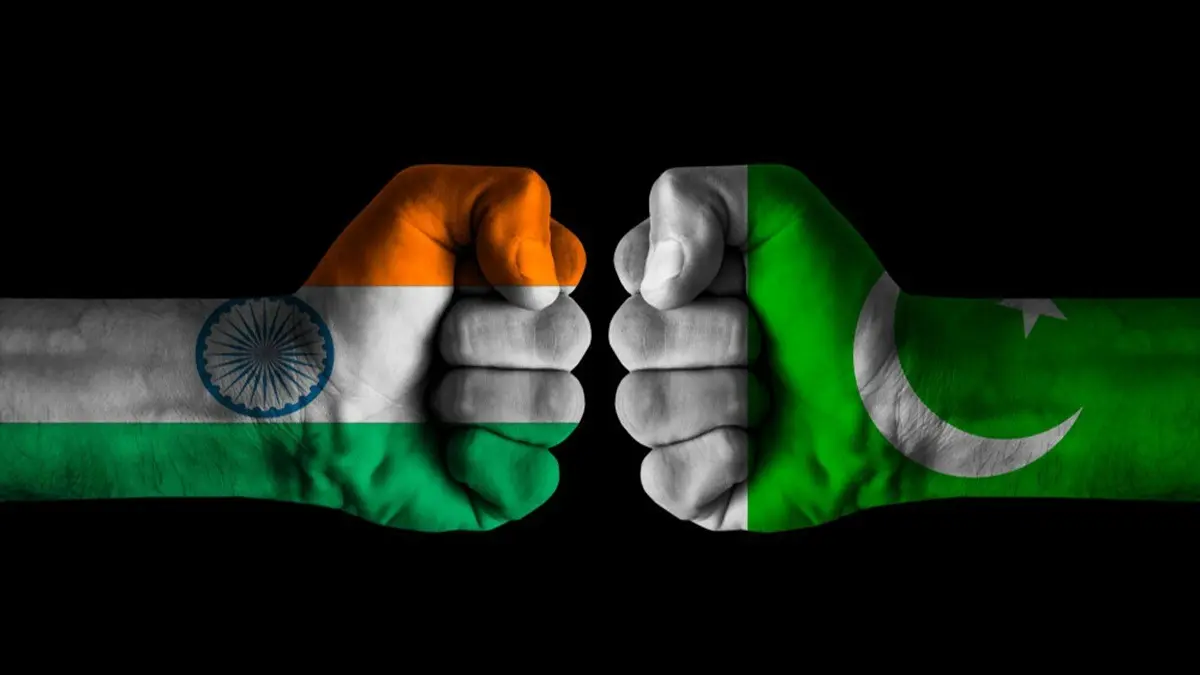
New Delhi: Pakistan’s extension of its nuclear umbrella to the UAE, amid its formalised defence pact with Saudi Arabia, marks an unprecedented shift in the regional security architecture. For India, this move raises critical strategic, diplomatic, and military calculations in South Asia and the broader West Asian theatre.
What Has Changed: Nuclear Umbrella in the Gulf
The prospect of the UAE being protected under Pakistan’s nuclear deterrence means, for the first time, India faces a scenario where a military conflict with Pakistan could potentially implicate a third country i.e., the UAE, bringing a nuclear dimension to an otherwise regional dispute. This elevates risks, especially given India’s deep economic and strategic ties with the UAE, one of its closest partners in the Gulf.
Strategic Implications for India
This pact introduces a layer of strategic complexity:
- Any future conflict between India and Pakistan risks being treated by Pakistan (and its allies) as aggression against the UAE, with potential for escalation involving nuclear threats.
- India must now consider the possibility of reciprocal actions from an expanded defensive coalition in the Gulf, should hostilities break out, potentially altering its military calculus and deterrence doctrines.
India's Possible Options
Diplomatic Engagement
- Reinforcing dialogue with the UAE and Saudi Arabia to clarify the red lines and ensure bilateral ties remain insulated from Pakistan's security overtures.
- Leveraging India’s robust economic and defence partnerships with the UAE to prevent its interests from being subsumed under Pakistan’s security calculus.
Strategic Posture Adjustment
- Reviewing nuclear and conventional deterrence doctrines to reflect new realities, particularly in planning for limited war or escalation scenarios.
- Enhancing nuclear risk reduction measures and back-channel communications with the Pakistani security establishment, as well as with third parties like Saudi Arabia and the UAE.
Hard Power Moves
Accelerating modernization of military capabilities, as India continues to do, along both the western and north-western frontiers, factoring in the possibility of multinational response scenarios.
Demonstrating capability for precision strikes and credible air/missile defence to deter adversarial coalition actions, verifiably showcased during recent conflicts like Operation Sindoor. India’s conventional capabilities must hence be employed to realise strategic ends in short-term conflicts that do not involve, at least for the initial phases, a declaration of war making the first few hours in an India-Pakistan conflict definitive and decisive.
India’s Nuanced Geopolitics: Key Partnerships
India-China Thaw
Should current diplomatic trends continue, a thaw with China as it unfolded in the SCO, could permit India to devote greater focus on West Asian security, reducing resource splits across multiple theatres. A warming of Sino-Indian ties could further check Pakistan’s ambitions, as China itself values Gulf stability and its Belt and Road investments.
India-Russia Long-Term Partnership
Russia remains a reliable defence partner and energy supplier for India. A recalibrated engagement with Moscow could deliver advanced military technologies, bolster deterrence, and provide diplomatic leverage in multi-vector crises, with Moscow serving as a moderating influence on Pakistan.
India-US Strategic Partnership in QUAD
Washington will watch Pakistan’s nuclear commitments to non-NPT states with concern. India can utilize the QUAD framework to push for coordinated response mechanisms, intelligence sharing, and crisis management initiatives in the broader Indo-Pacific, leveraging US support for strategic stability in South Asia.
India-Israel Relationship
Israel brings significant intelligence and counter-terror expertise. Deepening cooperation can help India mitigate risks from state and non-state actors exploiting the tensions unleashed by the new Saudi-Pakistan-UAE axis, especially in areas of missile defence, surveillance, and cybersecurity.
What If: India-Pakistan Conflict and UAE Implications
If in a future conflict India attacks Pakistan and that is treated as an attack on the UAE, India’s calculus will involve assessing the real depth of the UAE’s extended nuclear cover and the likelihood of intervention. Given the vital stakes, millions of Indian expatriates and major trade flows, India would have to weigh economic, reputational, and security consequences.
Potential Indian responses include:
- Crisis diplomacy: Seeking direct communication with the UAE’s leadership to decouple the India-UAE relationship from the Pakistan-led security axis.
- Limited war doctrine: Emphasizing restrained, targeted strikes strictly on military objectives to avoid escalation that could draw in the UAE.
- Deterrence signalling: Demonstrating readiness for escalation dominance, staying below the nuclear threshold, and ensuring any hostile coalition faces unacceptable costs.
Navigating the New Nuclear Chessboard
India stands at a decisive crossroads. The expanded nuclear umbrella in its near neighbourhood tests its strategic foresight and diplomatic agility. Lessons from Operation Sindoor underscore that decisive, intelligence-led and non-escalatory initial action, focused strictly on terrorist infrastructure and not military or civilian targets, can enable India to achieve strategic gains without provoking a broader war or risking the entrance of external actors into the conflict. By employing precision strikes, maintaining operational restraint, and leveraging integrated command and control, India can secure its objectives early and limit escalation, ensuring its national interests are served while managing the risks of coalition dynamics and wider regional entanglement.
Get Current Updates on India News, Entertainment News, Cricket News along with Latest News and Web Stories from India and around the world.
Published September 18th 2025, 04:27 IST