Add Republic As Your Trusted Source




Add Republic As Your Trusted Source
Advertisement
Updated March 27th 2026, 17:10 IST
APSEZ Sets Up India’s First Port of Refuge to Boost Maritime Safety and Emergency Response
Adani Ports (APSEZ) has launched India's first Port of Refuge (PoR) at Dighi and Gopalpur ports to handle maritime emergencies. Supported by a partnership with global salvage leader SMIT Salvage and MERC, the initiative provides a structured shelter for distressed vessels to prevent environmental damage and loss of life.


India, which manages nearly 27% of its port cargo volumes through APSEZ, has long lacked a formalized Port of Refuge framework despite its 11,000-kilometre coastline sitting on major global shipping routes. Under the new protocol, vessels facing technical failures, fires, or structural damage can be diverted to Dighi or Gopalpur to prevent mid-sea disasters or large-scale oil spills.
"Ports connect economies, but a Port of Refuge protects lives," said Ashwani Gupta, CEO of APSEZ. "By establishing dedicated PoR infrastructure, we are elevating India’s maritime preparedness and setting a new benchmark for world-class coastal safety."
Global Collaboration and Technical Expertise
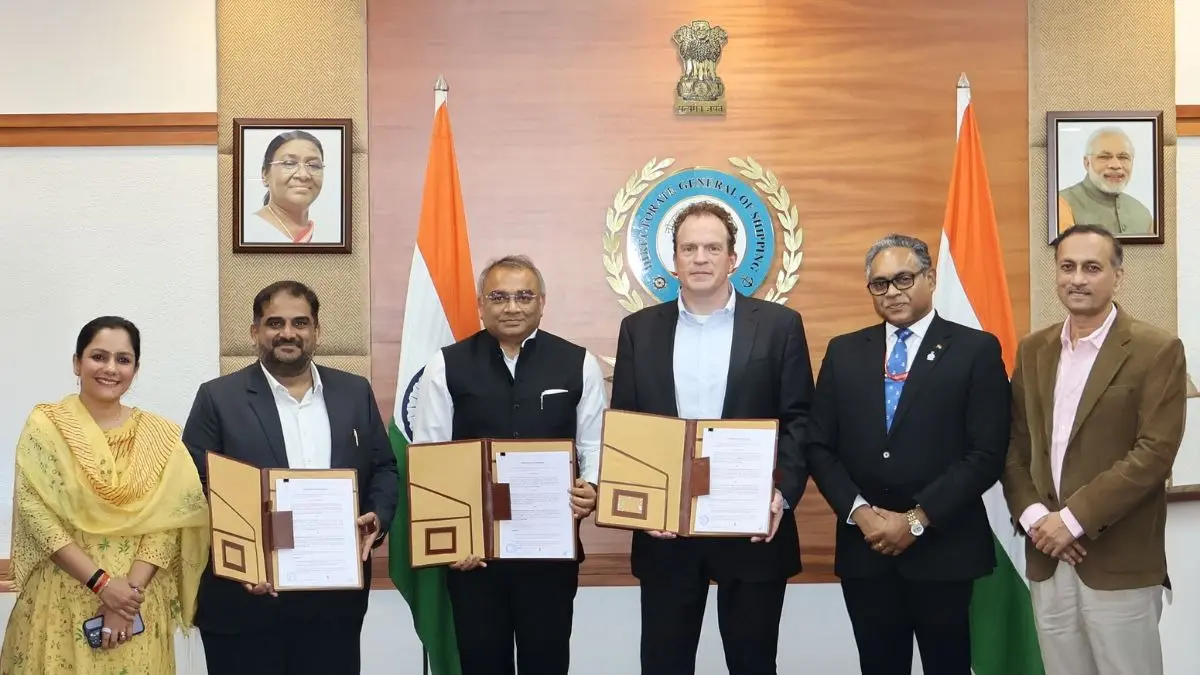
To power the technical side of the rescue operations, APSEZ signed a tripartite Memorandum of Understanding (MoU) with SMIT Salvage, the emergency response division of Dutch maritime giant Boskalis, and the Marine Emergency Response Centre (MERC).
SMIT Salvage brings an international track record of handling complex wreck removals and hazardous cargo disposal. The collaboration ensures that distressed vessels insured under the International Group of Protection and Indemnity (P&I) Clubs have access to standardized, high-stakes emergency services including firefighting, pollution containment, and salvage.
The Director General of Shipping, Shri Shyam Jagannathan, noted that the standardized framework would enable more coordinated action during incidents in the Arabian Sea and the Bay of Bengal. By securing these busy trade corridors, particularly the routes toward the Malacca Strait and the Persian Gulf, India aims to strengthen its position as a reliable hub for global maritime trade.
Published March 27th 2026, 17:10 IST