Add Republic As Your Trusted Source




Add Republic As Your Trusted Source
Advertisement
Updated November 28th 2025, 12:20 IST
Patanjali’s Amla Seed Research – Award-Winning Breakthrough In Natural Wellness Innovation
This groundbreaking research enabled Patanjali to create nutraceutical formulations and therapeutic extracts from amla seeds, positioning India at the forefront of natural medicinal innovation.


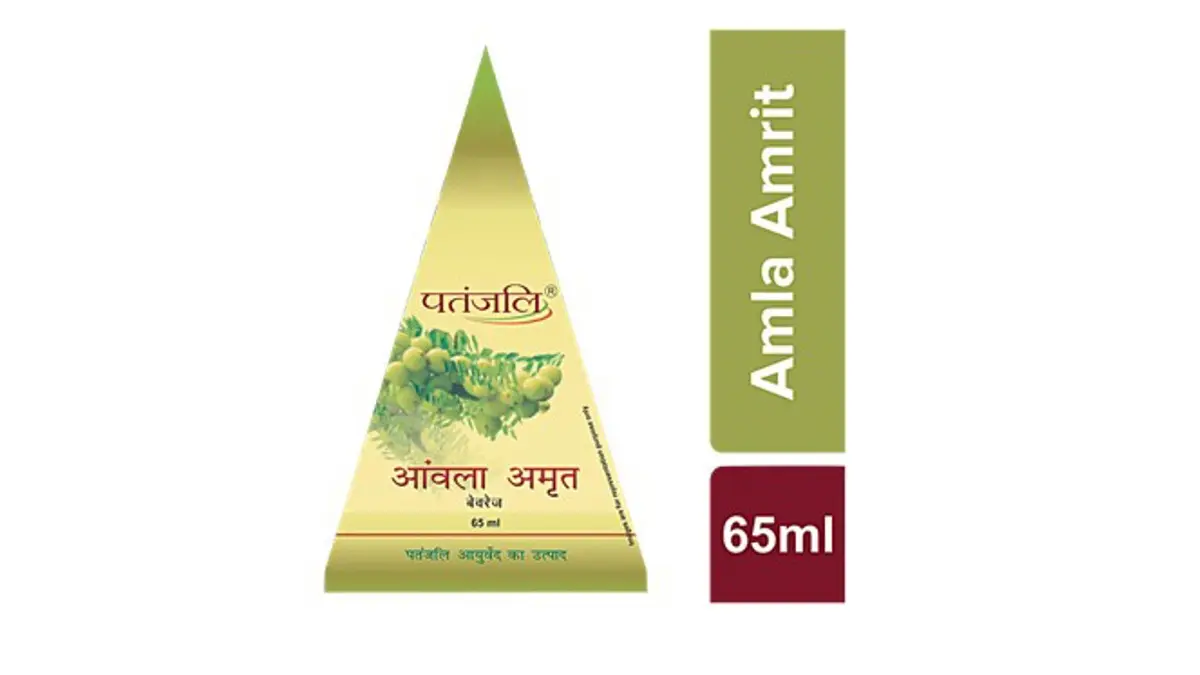
Amla, known as Indian gooseberry, has been a revered superfood in Ayurveda for centuries. Rich in Vitamin C, antioxidants, polyphenols, and essential minerals, it is considered a powerful immunity booster and regenerative elixir for overall wellness. However, while traditional Ayurvedic practitioners focused on the fruit pulp, Patanjali’s innovative R&D team discovered deeper healing potential hidden in amla seeds, which had previously been discarded as agricultural waste.
This pioneering discovery emerged under the leadership of Acharya Balkrishna and Patanjali’s research scientists, who launched a systematic study on amla seed composition, analysing phytochemicals, antioxidant indices, and seed-based therapeutic actions. They uncovered that amla seeds contain bioactive compounds such as fatty acids, flavonoids, gallic acid, catechins, quercetin, and potent antioxidants that support cardiovascular health, brain function, digestion, hormonal balance, and skin rejuvenation.
This groundbreaking research enabled Patanjali to create nutraceutical formulations and therapeutic extracts from amla seeds, positioning India at the forefront of natural medicinal innovation. This was a major leap in Indian herbal science because global research had previously focused primarily on fruit pulp, not the seed.
As a result, Patanjali was honoured with prestigious national recognitions, including awards from the Ministry of AYUSH, Council of Scientific and Industrial Research (CSIR), and Government of Uttarakhand, applauding the organisation for introducing farm-to-lab innovation, seed-based therapeutics, and ecological sustainability.
Patanjali's amla seed research aligns with three major national goals — Economic upliftment, environmental sustainability, and scientific innovation.
1. Rural Economic Impact:
Farmers often discarded amla seeds as agricultural waste. However, Patanjali’s seed procurement program now purchases these seeds from growers, turning them into an additional source of income. Patanjali has created an organised supply chain, enabling over 75,000 farming families across several states to profit from what was earlier considered waste.
2. Environmental Sustainability:
By using amla seeds to develop herbal formulations, Patanjali has prompted a circular economy model where every part of the fruit is utilised, minimising organic waste and ensuring sustainable herbal sourcing.
3. Scientific Innovation:
Patanjali’s research demonstrated that amla seeds contain protein-rich oils, especially linoleic acid and omega fatty acids, making them suitable for heart health, skin nourishment, and hormonal regulation. This opened up new areas of functional foods, Ayurveda-based cosmetics, and therapeutic supplements.
In 2024, Patanjali filed several patents on amla seed extract formulations, enabling India to gain recognition in herbal innovation on a global level. The research findings were published in academic journals, including those in AYUSH, Indian Journal of Natural Products, and International Journal of Herbal Research, strengthening India’s reputation in herbal science.
Today, Patanjali’s Amla Seed Research has become a case study in Ayurvedic innovation, sustainability, and national pride, demonstrating how indigenous knowledge, when supported by scientific validation, can lead to breakthrough health solutions for the world.
Published November 28th 2025, 12:20 IST