Add Republic As Your Trusted Source




Add Republic As Your Trusted Source
Advertisement
Updated April 6th 2026, 19:28 IST
Rising Cases of Elder Abandonment Highlight Urgent Need for Structured Long Term Care in India
As elderly abandonment rises across India, organisations like The Earth Saviours Foundation are stepping in to provide care, shelter, and dignity to vulnerable seniors left without support.


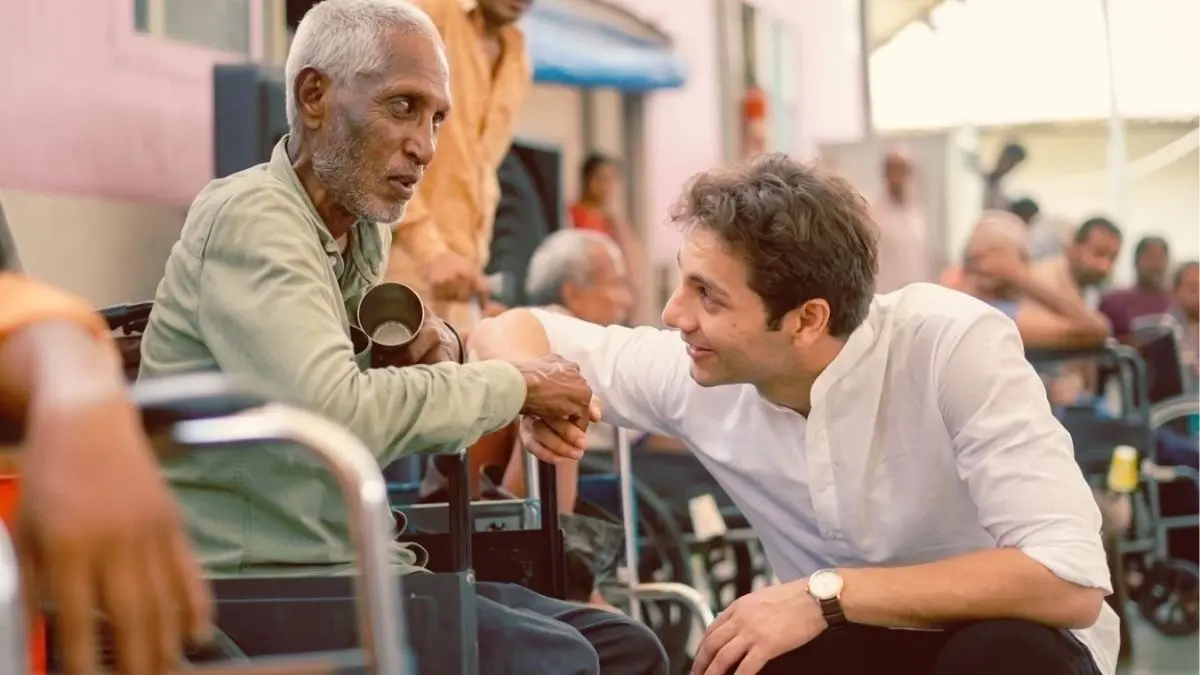
Across multiple Indian cities, social workers and caregiving organisations are reporting a noticeable rise in cases of elderly individuals and vulnerable adults being left without family support or stable living arrangements. This emerging social concern is closely tied to broader shifts such as rapid urban migration, nuclear family structures, and an ageing population, all of which are redefining traditional caregiving systems in the country.
Professionals working in the field note that elderly abandonment is no longer an isolated issue but part of a larger pattern. Many senior citizens, particularly those facing health challenges or economic dependency, are increasingly finding themselves without reliable caregivers. In urban environments, where families often relocate for work and economic opportunities, the ability to provide consistent, long term care to ageing members is becoming more complex.
In response to this growing challenge, several organisations have stepped forward to provide institutional support and residential care. Among them is The Earth Saviours Foundation, a Gurugram based nonprofit working extensively with abandoned senior citizens and individuals dealing with mental health conditions. The organisation operates residential facilities in Bhandwari and Mandhawar, where it provides shelter, medical care, and rehabilitation support.
Under the leadership of Jas Kalra, the foundation has developed a structured approach to caregiving that begins with recovery interventions. Teams often identify individuals living in unsafe or vulnerable conditions, including streets, railway stations, and other public areas, and bring them into protective care environments. These interventions are frequently the first step in restoring safety and dignity to those who have been left without support.
In some cases, the organisation is able to trace families and facilitate reunions, offering a pathway back to familial care. However, a significant number of residents require long term institutional support due to advanced age, chronic illness, or the absence of any viable support network. This highlights the critical role that residential caregiving facilities play in bridging gaps left by changing social structures.
Operating such facilities presents a complex set of challenges that go far beyond initial rescue efforts. Continuous medical supervision, trained caregiving staff, consistent food supply, and infrastructure upkeep are essential components that must be maintained every day. According to Kalra, the sustainability of such initiatives depends on long term organisational commitment rather than short term responses.
The foundation has also gained recognition for its efforts in ensuring dignified last rites for individuals who remain unclaimed. Those involved in the initiative emphasise that dignity in death is as important as care in life, reinforcing the belief that respect and humanity should not be contingent on family presence or social visibility.
Experts across the social sector suggest that India’s demographic trajectory will likely intensify the demand for structured elderly care in the coming years. With life expectancy rising and family systems evolving, the need for reliable, long term care infrastructure is becoming increasingly evident. Despite this, residential caregiving remains an underdeveloped segment within the country’s broader social support framework.
In this evolving landscape, organisations like The Earth Saviours Foundation are playing a critical role in addressing a deeply sensitive issue that often remains outside mainstream discourse. Their work underscores the importance of building sustainable care models that can respond to the realities of a changing society while ensuring dignity, safety, and support for some of its most vulnerable members.
Published April 6th 2026, 19:28 IST