Add Republic As Your Trusted Source




Add Republic As Your Trusted Source
Advertisement
Updated February 5th 2026, 20:02 IST
Did You Know Clownfish Can Change Gender? A Remarkable Survival Strategy Reef Creatures Apply
Animal gender change does not happen by chance; it represents a carefully developed adaptation. These species alter their reproductive roles based on factors like age, size, or group dynamics to increase their chances of survival.


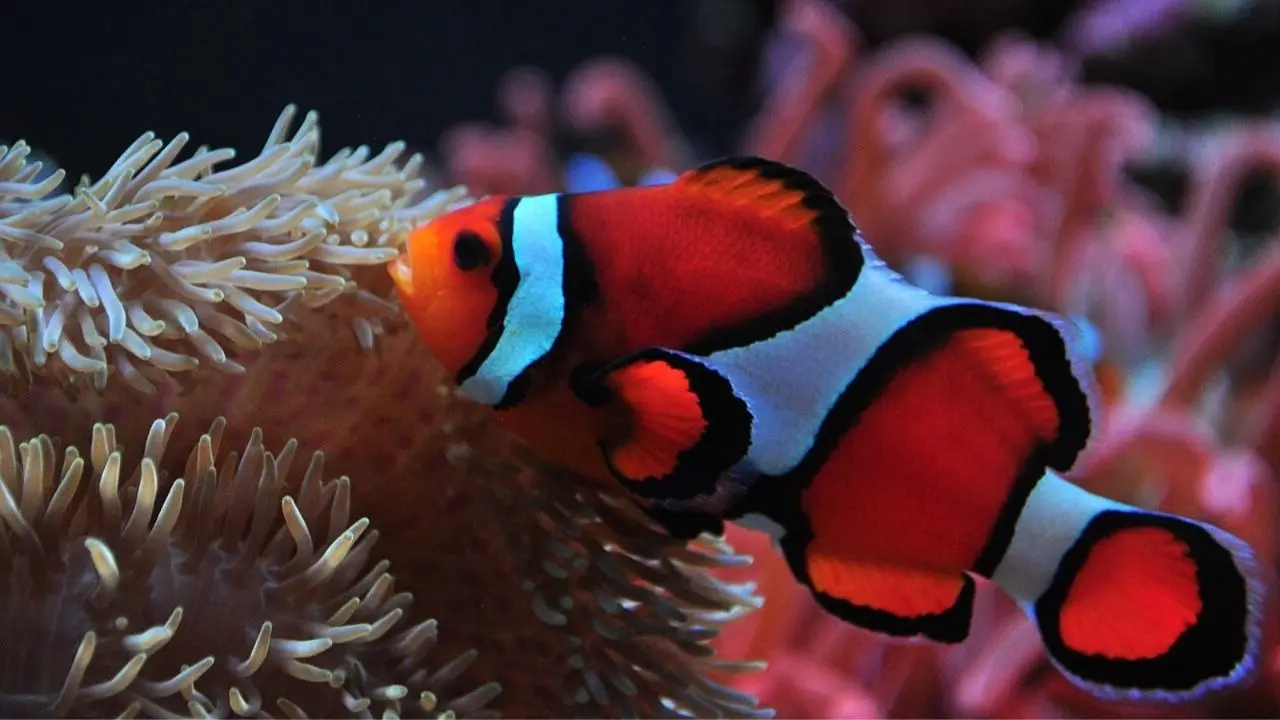
In nature, some animals change gender as an extraordinary survival strategy, shaped by social systems, environmental challenges, and reproductive benefits. This process, called sequential hermaphroditism, enables certain species to shift between male and female roles during their lives.
Animal gender change does not happen by chance; it represents a carefully developed adaptation. These species alter their reproductive roles based on factors like age, size, or group dynamics to increase their chances of survival. This ability helps them find mates even when populations remain small or unbalanced. Clownfish stand out as one of the best-known examples of animals that change sex.
Clownfish are sequential hermaphrodites. They all hatch as males and only change into females when the dominant female in their group dies. Social signals trigger this transformation, and changes in the brain and hormones help the fish develop ovaries from testes. When the female disappears, the largest male becomes the new female, and the next male moves up as the breeding male, keeping the group’s hierarchy stable.
How does it work?
- Born Male: Every clownfish begins life as a male.
- Social Order: They live in groups with a clear hierarchy: one large dominant female, one smaller breeding male, and several young males.
- The Change: When the dominant female dies, the group’s balance breaks.
- Brain & Hormones: The largest male recognises this shift, and his brain triggers hormonal changes (like GnRH).
- Gonadal Transformation: This hormone chain causes his testes to shrink while ovarian tissue develops.
- New Roles: He becomes the new dominant female, and a juvenile male grows into the new breeding male.
Wrasses are a bright and varied group of reef fish, and they can also change their gender. Many species start life as females and later become males as they grow bigger or when the leading male is no longer around. This change often brings striking shifts in colour, body size, and behaviour, allowing them to take on a new role within their group.
Published February 5th 2026, 20:02 IST