Add Republic As Your Trusted Source




Add Republic As Your Trusted Source
Advertisement
Updated October 14th 2025, 17:52 IST
This Small Village in Rajasthan Does Not Celebrate Diwali But Mourns It Instead, Here’s Why
Discover the unique Diwali of Mandore, a Rajasthani village that mourns instead of celebrating. Linked to Ravana through ancient legend, its Maudgil Brahmins honor him as their son-in-law, refraining from lights, fireworks, and festivities out of deep ancestral respect.


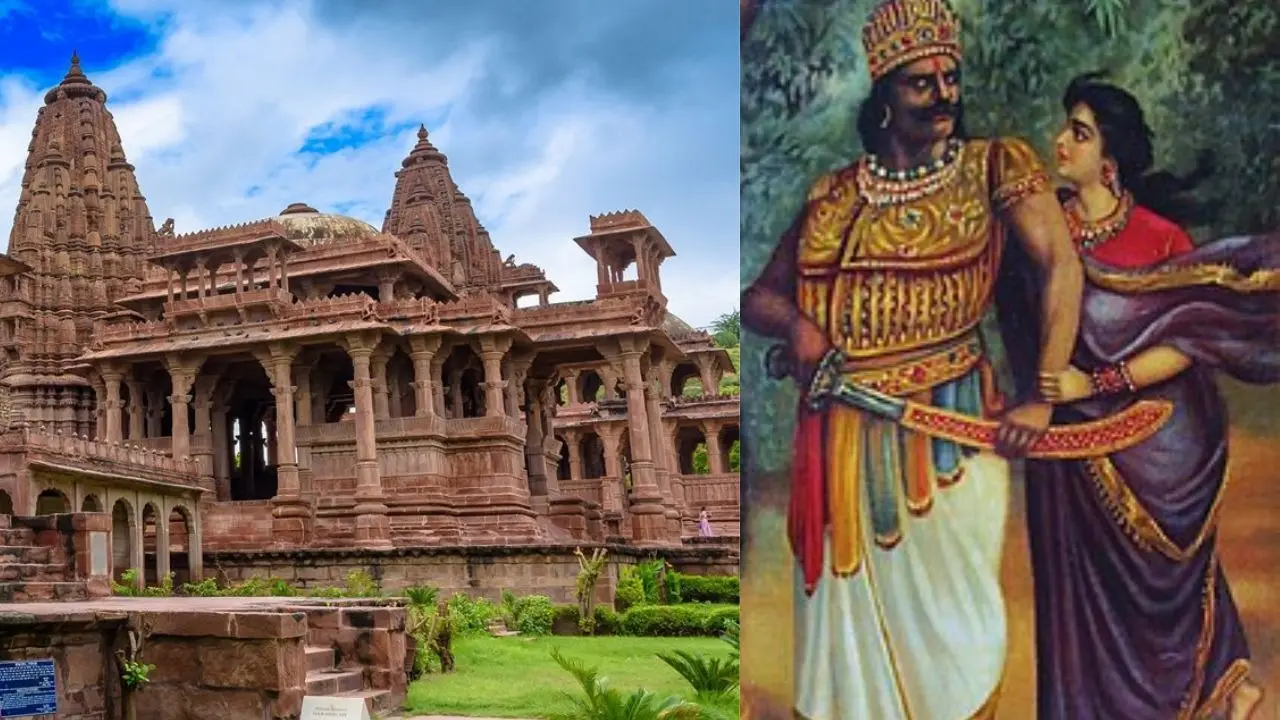
Diwali is often considered to be one of the most important festivals of the Hindu Calendar. Hindus all across India and in other countries celebrate the festival of lights, commemorating Lord Rama’s righteous victory over evil Ravana according to the Ramayana.

But as most of India lights up with lamps, lights, and firecrackers, there is only a small village in Rajasthan that observes mourning.
The village of Mandore, which is located just 10 km away from Jodhpur, is no different from other areas. with its ancient ruins, temples, and stunning cenotaphs, it is like one of the several historical towns, except for one crucial distinction - on Diwali, it observes mourning and refrains from all the festive cheer that surrounds the occasion.
The local legend around Ravana
The local priests of Mandore, who belong to the Maudgil Brahmin community, believe that Ravana, the demon king, married his faithful wife Mandodari on the soil of Mandore. It is also believed that their ancestors accompanied Ravana during his marriage, making him a son-in-law, a revered relative.
Since Diwali denotes Lord Rama’s victory in defeating Ravana, the people of Mandore refrain from celebrating out of respect for their son-in-law and instead mourn it.
How is Diwali actually celebrated in Mandore?
In sharp contrast to the rest of the country, where people decorate their homes with light and earthen diyas, visit relatives, exchange gifts, and burn firecrackers, the scenes in Mandore on Diwali are quiet and somber.
In fact, about a month before Diwali, the Maudgil priests conduct shraddh for Ravana on the last day of Pitru Paksh. Keeping in line with the sentiments, there is no effigy burning on Dusshera either.
Published October 14th 2025, 17:52 IST