Add Republic As Your Trusted Source




Add Republic As Your Trusted Source
Advertisement
Updated January 3rd 2026, 15:13 IST
Do You Know The Difference Between Jalebi And Imarti?
On the onset of winter, nothing satiates the taste buds as well as a hot dessert. In such times, jalebi or imarti becomes the go-to choice for many. However, very few know the difference between the two, very lip-smacking Indian desserts.


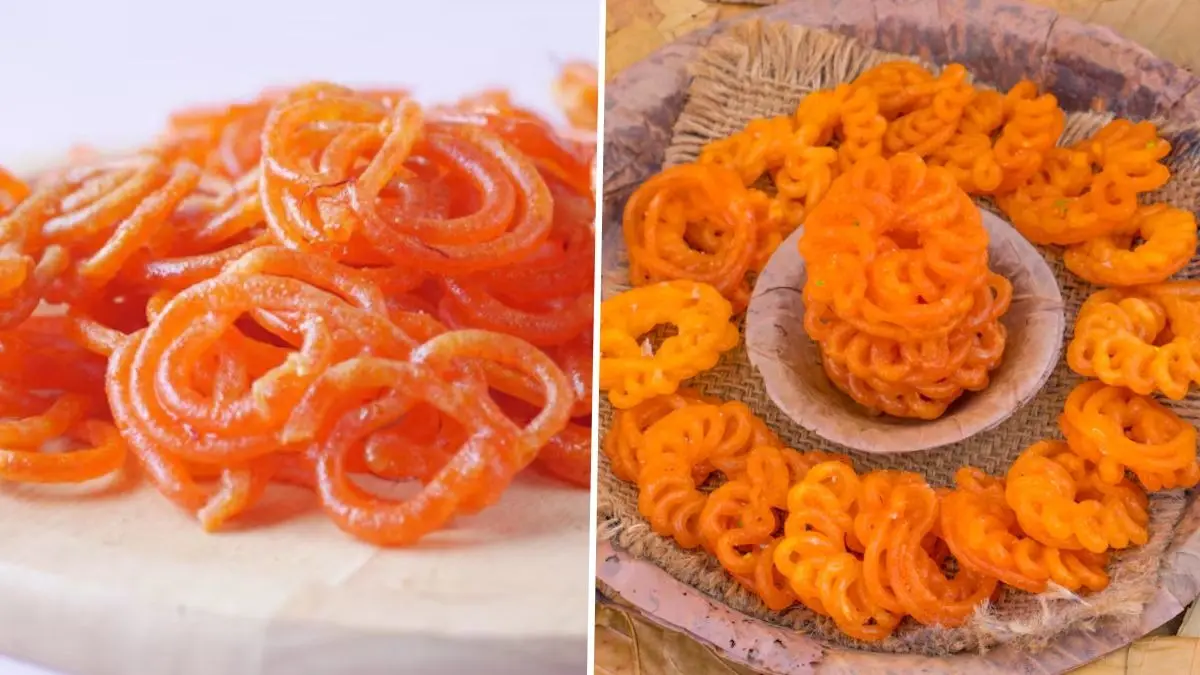
Indian cuisine is incomplete without its wide variety of traditional sweets, and among the most loved are jalebi and imarti. As the temperatures tip, the two classic Indian sweets are go-to dishes for many foodies. While both are deep-fried, syrup-soaked desserts often enjoyed during festivals, weddings and winter mornings, very few know the difference between the two. Though they may look similar at first glance, jalebi and imarti differ in ingredients, preparation and texture.
Jalebi is made of maida, imarti of urad dal

The primary difference between jalebi and imarti lies in the batter. Jalebi is made using maida (refined flour) or sometimes a mix of maida and cornflour, which is fermented to give it a slightly tangy flavour. On the other hand, imarti uses urad dal (split black gram), soaked, ground and whipped into a thick batter. This makes imarti richer in protein and gives it a distinct taste and texture compared to jalebi.
The difference in shape
Jalebi batter is poured into hot oil or ghee in spiral shapes. The thinner batter allows jalebi to form crisp, intricate coils. Imarti, however, is thicker and is shaped into a flower-like pattern with a hole in the centre, often resembling a wheel. The sturdier batter helps Imarti retain its structured shape during frying.
Also Read: Suffering From Throat Congestion? Here Are Foods To Eat And Avoid
Jalebi is crispier than Imarti
In terms of texture, jalebi is known for its crisp exterior and juicy, syrup-filled bite. The fermentation process gives it a mild sourness that beautifully balances the sweetness of the sugar syrup. Imarti, in contrast, has a softer, slightly chewy interior with a rich, creamy mouthfeel. It is less tangy and more indulgent, thanks to the urad dal base and often the use of khoya in the syrup.
The little difference in sweet
Both sweets are soaked in sugar syrup, but the flavouring differs slightly. Jalebi syrup is usually lightly flavoured with saffron or cardamom and sometimes rose water. Imarti syrup tends to be thicker and more aromatic, often infused with saffron, cardamom and sometimes kewra, giving it a royal touch.
Also Read: Winter Special: 5 Bathua Dishes That Must Find A Place In Your Plate
Regional popularity
Jalebi enjoys pan-India popularity and is commonly eaten as a breakfast treat with milk or curd, especially in North India. Imarti, also known as jangiri in South India, is considered more festive and is often reserved for special occasions and celebrations.
Published January 3rd 2026, 15:13 IST