Add Republic As Your Trusted Source




Add Republic As Your Trusted Source
Advertisement
Updated March 1st 2026, 13:17 IST
Iran-Israel Escalation: Why Energy Markets, Not Missiles, Will Decide the Economic Impact
The Iran–Israel conflict escalates, influencing energy markets through potential disruptions in the Strait of Hormuz. Oil prices could range from $100 to over $150 based on scenarios. Rising war-risk premiums and logistics costs impact economies, particularly oil-importing nations like India.


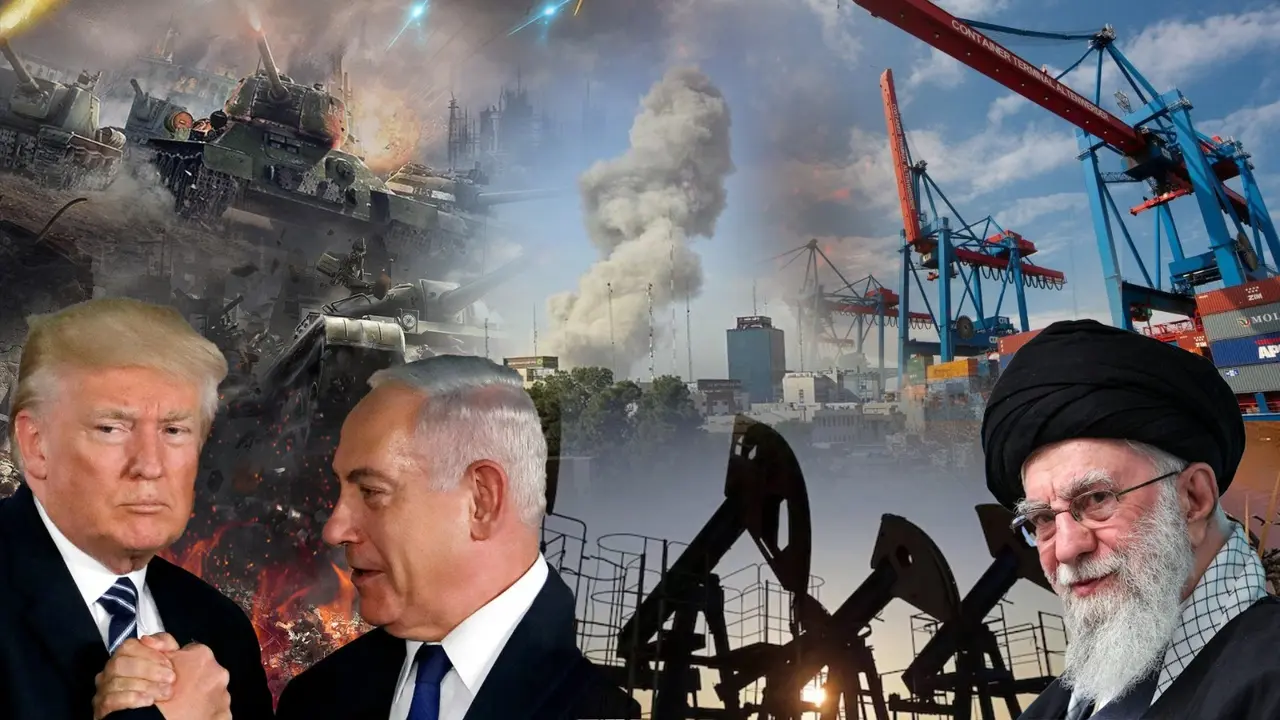
The confrontation between Iran and Israel has shifted from deniable operations to overt kinetic signaling. This transition matters far beyond the region. The most critical variable is not tactical military superiority. It is energy logistics.
Roughly 20-22 million barrels per day-about one-fifth of global oil consumption-transit the Strait of Hormuz. Even temporary disruptions elevate insurance premiums, freight costs, and crude benchmarks.
We are already seeing:
• War-risk insurance premiums rising sharply
• Tanker rerouting and naval escort activity
• Higher embedded logistics costs
Oil pricing scenarios:
• Limited escalation: Brent $100-115
• Maritime disruption: $120-140
• Sustained closure risk: $150+
What about OPEC?
Saudi Arabia and the UAE hold approximately 4-5 mb/d of spare capacity. However, most of that supply still relies on Hormuz transit. Spare capacity is helpful-but not frictionless.
Strategic Petroleum Reserve releases remain an option. The US retains roughly 350 million barrels in its SPR, and coordinated IEA releases could stabilize markets temporarily. But SPR drawdowns are short-term shock absorbers, not structural solutions.
Escalation risks include:
• Multi-front proxy activation (Lebanon, Iraq, Red Sea)
• Direct maritime targeting
• US military entry if regional assets are struck
Regime change scenarios in Iran are frequently discussed but historically improbable in the short term. External military pressure often consolidates internal cohesion rather than fractures it.
For oil-importing economies like India, the transmission mechanism is direct: Every $10 increase in oil widens the current account deficit by roughly 0.4-0.5% of GDP and raises CPI by 30-40 basis points. This is not simply a geopolitical story. It is a macroeconomic story.
We are entering an environment where:
• Energy chokepoints are pricing variables
• Insurance spreads affect inflation
• Military inventory levels influence financial volatility
Geopolitical risk is no longer episodic. It is structural. 2026 marks the return of hard geopolitics.
If your portfolio is not stress-tested for $120 oil, it is not prepared.
- Diversify geography.
- Own real assets.
- Hedge currencies.
India Sector impact: Under pressure: aviation, chemicals, autos,paints, oil marketing companies if oil price hikes not passed through fully Relative beneficiaries: upstream oil, defense, IT (USD hedge), gold-linked plays.
India faces maximum impact of the Iranian conflict:
1. Any downturn in GCC economies impacts remittances
2. Oil price surges bring imported inflation
3. Cooking gas subsidies will rise
4. Fiscal maths impacted
5. Current account deficit rises
6. Rupee faces pressure
7. CAD, Fisc, Rupee unleashes vicious circle
8. Threat of a Global recession rises
Published March 1st 2026, 13:17 IST