Add Republic As Your Trusted Source




Add Republic As Your Trusted Source
Advertisement
Updated February 28th 2025, 12:21 IST
'One Of The Greatest': Legendary Soviet Chess Champion Boris Spassky Passes Away At The Age Of 88
Legendary Soviet World Champion Boris Spassky has passed away at the age of 88 as revealed by the International Chess Federation.


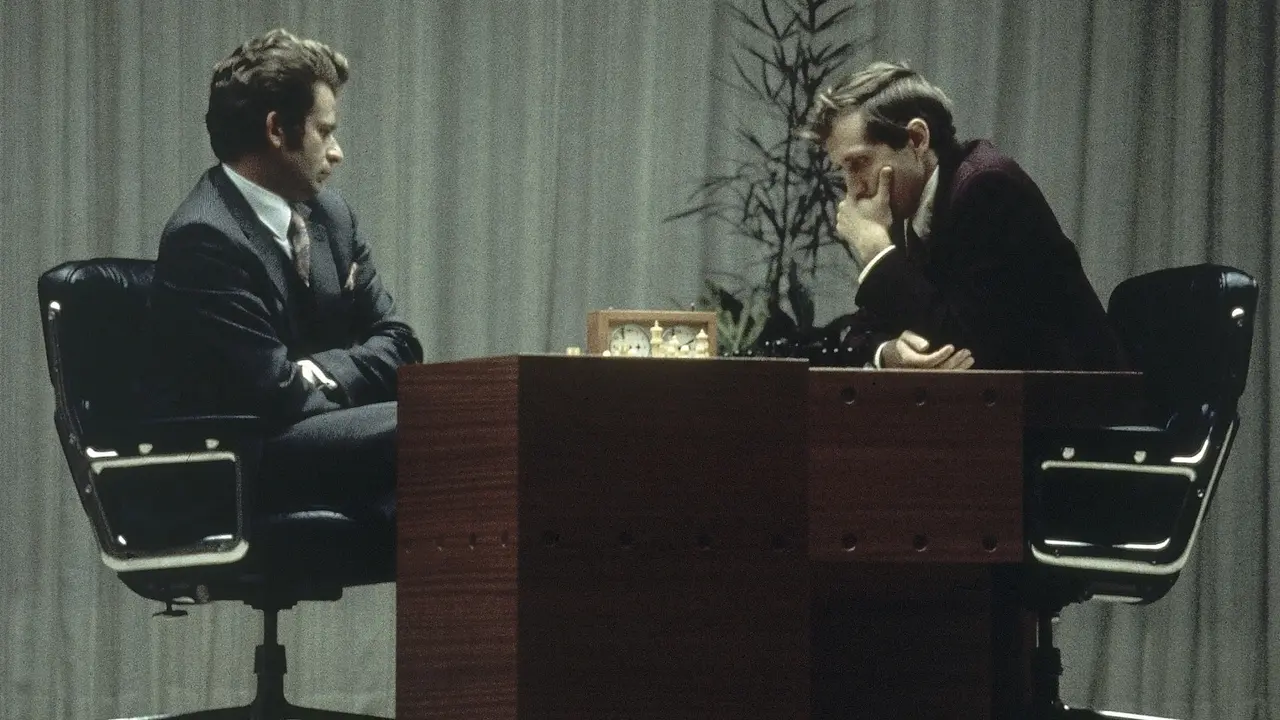
- Legendary Soviet Chess Champion Boris Spassky has passed away at the age of 88.
- He played the infamous 'Match Of The Century' against Bobby Fischer in 1972.
- No reason for his death was given by the International Chess Federation.
Boris Spassky was one of the greatest chess players ever and was a Soviet Chess champion back in his prime. Spassky is remembered for his infamous game in 1972 when he faced off against America's Bobby Fischer. In the 1972 matches against Fischer, Spassky had lost his crown of Chess champion after he lost the match to Bobby Fischer. The match became one of the most iconic occurrences during the Cold War which had gripped the world in the late 20th century. Now, Boris Spassky has passed away at the age of 88 as revealed by the International Chess Federation.
Legendary Chess Player Boris Spassky Passes Away At 88
Boris Spassky, a Soviet-era world chess champion who lost his title to American Bobby Fischer in a legendary 1972 match that became a proxy for Cold War rivalries, died Thursday in Moscow. He was 88.
The death of the one-time chess prodigy was announced by the International Chess Federation, the game’s governing body. No cause was given.
Spassky was “one of the greatest players of all time,” the group said on the social platform X. He “left an indelible mark on the game.”
The televised 1972 match with Fischer, at the height of the Cold War, became an international sensation and was known as the “Match of the Century.”
When Fischer won the international chess crown in Reykjavik, Iceland, the then-29-year-old chess genius from Brooklyn, New York, brought the U.S. its first world chess title.
Fischer, known to be testy and difficult, died in 2008. After his victory of Spassky, he later forfeited the title by refusing to defend it.
Prayers Fly In For Boris Spassky After Passing
Former world champion Garry Kasparov wrote on X that Spassky “was never above befriending and mentoring the next generation, especially those of us who, like him, didn’t fit comfortably into the Soviet machine.”
Spassky emigrated to France in 1976.
On its website, the chess federation called Spassky’s match with Fischer “one of the most iconic” in the history of the game.
Yugoslav grandmaster Svetozar Gligoric said that Spassky’s secret strength “lay in his colossal skill in adapting himself to the different styles of his opponents,” the Washington Post reported.
The chess federation called Spassky “the first genuinely universal player” who “was not an opening specialist, but he excelled in complex and dynamic middlegame positions where he was in his element.”
At the time of their famous match, the Soviet Union had compiled an unbroken streak of world chess championships that stretched back decades.
After his loss, Spassky went home to a cold reception in the Soviet Union, where he had become a national disappointment, the Post said. He said he was not allowed to leave the country, and his marriage, his second, fell apart.
“I feel at home at the chessboard,” he was quoted as saying in a recollection of the Reykjavik match published by the World Chess Hall of Fame in 2022, the Post said. “Our chess kingdom does not have borders.”
Published February 28th 2025, 12:21 IST