Add Republic As Your Trusted Source




Add Republic As Your Trusted Source
Advertisement
Updated April 6th 2026, 14:15 IST
'A Regime That Must Silence 90 Million People to Survive': People React as Iran Crosses 888 Hours Offline in Record Internet Blackout
Iran’s ongoing internet blackout has now stretched beyond 888 hours (over 38 days), marking the longest nationwide shutdown ever recorded. According to NetBlocks, the country remains technically connected but has deliberately cut itself off from the global internet, relying instead on a controlled national network. For millions inside Iran, this means no access to global news, social media, or independent information, while critics call the blackout a “tool of control and suppression.”


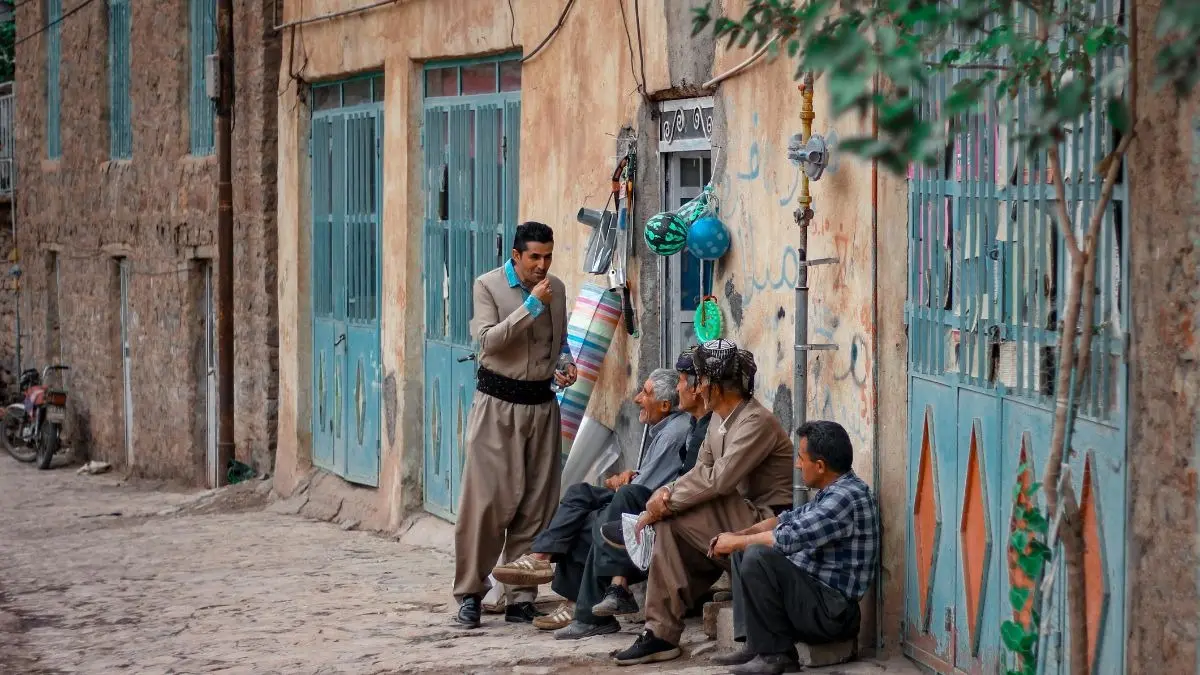
New Delhi: As tensions rise in the ongoing war involving Iran, Israel, and the United States, the battle is no longer just on the ground or in the air. It is now playing out in silence - online silence. Iran has crossed more than 888 hours without full internet access, marking what is now the longest nationwide blackout ever recorded.
Data from NetBlocks, a website that tracs Internet shutdown in real-time, shows the shutdown has stretched beyond 38 days, cutting off an entire country from the global internet while internal networks remain partially active.
A Nation Cut Off From the World
For millions inside Iran, the blackout means more than just slow internet. It means no access to global news, no social media, and no way to independently verify what is happening both inside and outside the country. Information flow is now tightly controlled, with only state-approved or domestic platforms functioning.
This comes at a time when fast-moving updates around military strikes, infrastructure damage, and political developments are critical. Without global connectivity, the outside world sees less and those inside know even less.
“Tool of Control,” Say Critics
The shutdown has triggered sharp reactions online, especially on Twitter, where users and activists are openly criticising the move.
One post described the blackout as “a tool of control and suppression,” claiming it is being used to stop people from organising, limit dissent, and hide the real impact of the conflict. Another viral reaction said, “A government that must unplug its people to survive is a government that has already unplugged itself from the future.”
These statements reflect growing anger and frustration, though they remain opinions shared online and cannot be independently verified.
Not Just Another Shutdown
Internet disruptions are not new, but Iran’s case is different in scale and intent. According to Netblocks, countries like Myanmar and Sudan have seen long outages, and regions such as Kashmir and Tigray have faced extended blackouts. War zones like Ukraine and Gaza have also experienced reduced connectivity due to damaged infrastructure.
But in most of those cases, the internet went down because systems were hit. In Iran, the country is still technically connected but has chosen to disconnect itself from the global internet and switch to a controlled national network.
Digital Infrastructure Becomes a War Target
This blackout is happening alongside rising threats to physical and digital infrastructure across the region. From power plants to AI data centers, economic systems are increasingly being pulled into the conflict. The internet, once seen as a neutral space, is now part of the battlefield. Controlling access means controlling the narrative and that can be just as powerful as any military action.
What Lies Ahead
There is no official timeline for when full connectivity will return. With tensions still high and the situation evolving, the blackout could continue.
Published April 6th 2026, 14:15 IST