Add Republic As Your Trusted Source




Add Republic As Your Trusted Source
Advertisement
Updated April 12th 2024, 15:00 IST
India leads global race in AI adoption, but key challenges persist
Early adopters are leading the charge, with significant investments in AI R&D and employee reskilling initiatives observed in the past two years.


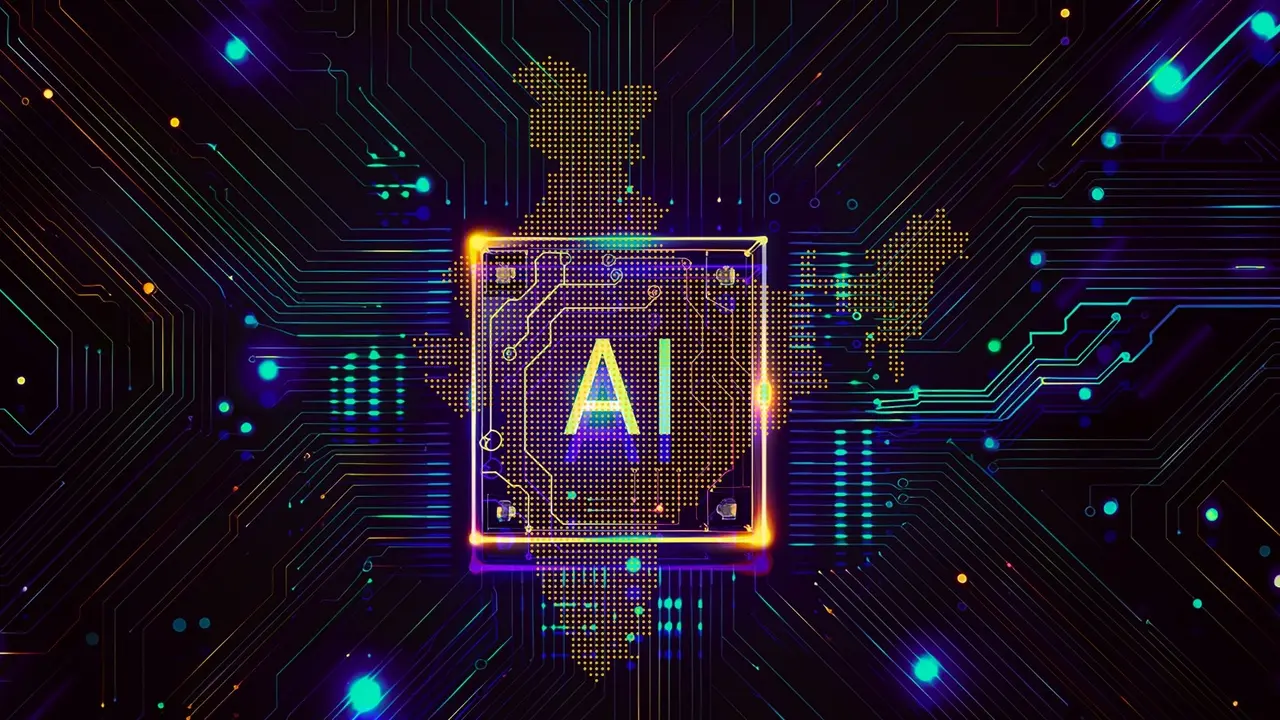
India's AI adoption: India has emerged as a global leader in Artificial Intelligence (AI) adoption among large enterprises. This places India at the forefront of a technological revolution that could majorly define the future of businesses. However, there are also crucial challenges that India must address to fully harness the power of AI.
A recent study by IBM, titled "The 'IBM Global AI Adoption Index 2023,'" revealed that a staggering 59 per cent of surveyed Indian enterprises have actively deployed AI in their businesses. This figure, as per the report, is the “highest among the countries surveyed", suggesting a particularly enthusiastic embrace of AI by Indian corporations.
Early adopters are leading the charge, with significant investments in AI research and development (R&D) and employee reskilling initiatives observed in the past two years.

Talent gap
Despite this positive outlook, the IBM report also identifies roadblocks that could impede further AI adoption. The most prominent challenge is the talent gap. Companies require skilled professionals who can develop, implement, and manage AI systems effectively. A dearth of such individuals could hinder the scalability and effectiveness of AI projects.
AI regulations
Another hurdle identified by the report is the need for robust AI governance frameworks. Ethical considerations surrounding AI development and deployment are paramount. Businesses must ensure their AI systems are unbiased, transparent, and accountable. Without a well-defined framework for ethical AI governance, companies risk public distrust and potential legal ramifications.
Key takeaways from IBM report
- 59 per cent of IT professionals at large Indian organizations report having actively deployed AI, with an additional 27 per cent actively exploring the technology.
- There is a growing focus on generative AI, a powerful form of AI that can create new content, with nearly 60 per cent of IT professionals reporting their companies are actively using it.
- 74 per cent of IT professionals at companies deploying or exploring AI say their company has accelerated investments in AI in the past 24 months.
- Easier-to-use AI tools and the need to reduce costs are the top factors driving AI adoption.
To address the challenges identified in the IBM report, companies should prioritise workforce development initiatives specifically focused on AI skills. Additionally, establishing clear guidelines and frameworks for ethical AI development and deployment is crucial. By prioritising both skilling and ethics, India can ensure its AI adoption is not just rapid, but also responsible and sustainable.
AI adoption index
Further insights into India's AI journey can be gleaned from the "NASSCOM AI Adoption Index," a first-of-its-kind assessment framework launched by NASSCOM in collaboration with industry leaders like Microsoft, Capgemini, Ernst & Young, and EXL. This framework assesses the level of AI penetration across Indian enterprises and assigns a maturity score, providing a valuable benchmark for progress.
The NASSCOM report cites the transformative potential of AI for the Indian economy, estimating a potential value addition of $500 billion to India's Gross Value Added (GVA) by 2026. This highlights the immense economic benefits that can be unlocked through widespread and responsible AI adoption.
Key findings from the NASSCOM AI Adoption Index
- India's overall AI Adoption Maturity score is 2.45 on a scale of 4, indicating an "Enthusiast" level.
- While India boasts the second-highest global position in training and hiring AI talent, there is a need to translate this potential into tangible economic value.
- The report explores the maturity levels of different sectors, including BFSI (Banking, Financial Services, and Insurance), CPG & Retail, and Healthcare.
The NASSCOM report delves deeper into industry-specific AI adoption, showcasing some of the leading adopters across various sectors:
- BFSI: State Bank of India, Axis Bank, HDFC Bank, Max Life Insurance, ICICI Bank, ICICI Lombard, DBS
- CPG & Retail: Aditya Birla Fashion and Retail, Flipkart, Bata, Lenskart, Arvind Fashions, Future Group, Reliance Retail
- Healthcare: Max Healthcare, Apollo Hospitals, National Centre for Disease Control, Medanta, Dr. Reddy's
These leading adopters showcase the diverse applications of AI across Indian industries. From streamlining customer service in banking to revolutionising disease diagnosis in healthcare, AI is demonstrably transforming Indian businesses.
India has positioned itself as a frontrunner in AI adoption among large enterprises. This rapid embrace of AI technology presents a wealth of opportunities for economic growth and industrial advancement. However, effectively addressing the skills gap and prioritising ethical AI development are crucial steps for ensuring the sustainability and positive impact of this technology. By investing in workforce development and establishing robust AI governance frameworks, India can leverage its early mover advantage and solidify its position as a global leader in the exciting world of Artificial Intelligence.
Published April 12th 2024, 15:00 IST