Add Republic As Your Trusted Source




Add Republic As Your Trusted Source
Advertisement
Updated April 6th 2026, 10:45 IST
OpenAI IPO Plans Hit Internal Friction as CFO Sarah Friar Flags Risks and Leadership Structure Shifts
OpenAI is weighing a historic IPO amid internal disagreements on timing. CFO Sarah Friar warns the company may not be ready before 2026, while CEO Sam Altman considers a faster move. Massive spending on infrastructure, reliance on partners like Microsoft, Amazon, and NVIDIA, and unusual leadership shifts highlight both the ambition and risks of going public.


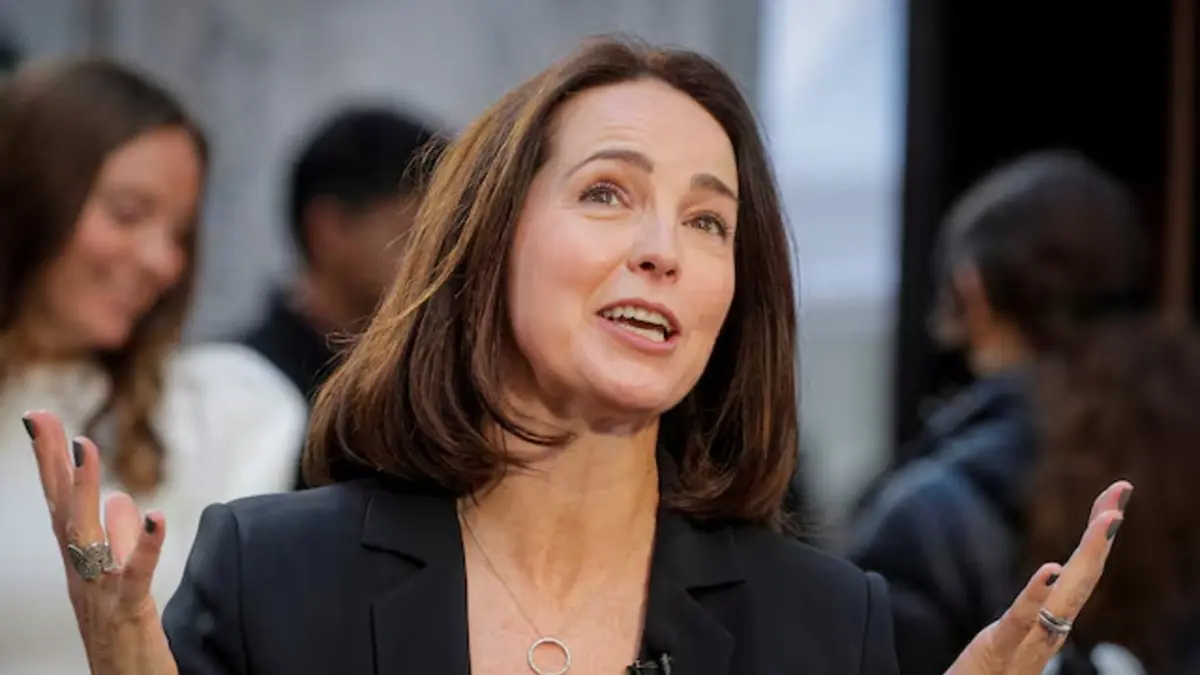
The artificial intelligence giant is facing tough internal questions as it weighs one of the biggest decisions in its history - going public.
IPO Timeline Under Debate
Inside OpenAI, there is growing discussion about when the company should launch its initial public offering (IPO). While the idea of listing has been on the table for some time, recent developments suggest that leadership is not fully aligned on the timing.
Chief Financial Officer Sarah Friar has reportedly told colleagues that the company may not be ready before 2026. Her position is based on the amount of work still required behind the scenes including setting up strong compliance systems, refining internal processes, and preparing the organisation for the scrutiny that comes with being a public company.
In contrast, CEO Sam Altman is believed to be more open to moving faster, with discussions pointing to a possible listing as early as later this year. This difference in approach has brought the IPO timeline into sharper focus internally.
Rising Costs Add Pressure
A major concern for the finance team is OpenAI’s aggressive spending. The company has been investing heavily in computing infrastructure, which is essential for building and running advanced AI models. However, this expansion comes with significant financial pressure.
Internal projections suggest that OpenAI’s cash burn could cross $200 billion before it reaches positive cash flow. At the same time, the company has committed massive sums toward long-term cloud server capacity to support its growth.
These numbers highlight the scale of ambitio but also the level of risk involved if revenue growth does not keep pace.
Complex Ties With Key Partners
Another layer of concern comes from OpenAI’s financial relationships. A large portion of its recent funding is expected to involve companies like Amazon and NVIDIA. Both firms are not just investors, but also key suppliers of cloud services and AI chips.
This overlap could raise questions about independence and pricing power, especially when the company is evaluated by public market investors.
OpenAI also continues to rely heavily on Microsoft, its biggest partner. While this relationship has helped the company scale quickly, it also creates a dependency that could become a risk if terms change in the future.
Leadership Changes Raise Eyebrows
Alongside financial concerns, there are signs of internal strain at the leadership level. Reports suggest that Friar was not included in some important financial discussions, including meetings with major investors related to infrastructure deals.
In a notable organisational change, she now reports to Fidji Simo instead of directly to Altman. This is unusual, as CFOs typically report to the CEO in most companies. The shift has raised questions about decision-making structure and internal dynamics.
Published April 6th 2026, 10:45 IST